

News
“We Will Use What We Make” — Tinubu Rolls Out Bold Economic Reform Policy


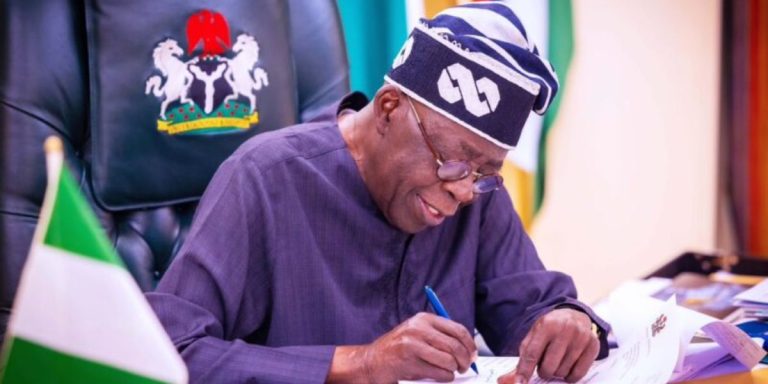
President Bola Ahmed Tinubu on Monday unveiled a sweeping new economic directive titled the “Nigeria First Policy” during the Federal Executive Council (FEC) meeting, marking a bold shift in the country’s approach to industrial development, public procurement, and economic sovereignty.
“This policy beckons a new era of local content enterprise, self-belief, and national pride,” the President declared, signaling a clear intention to stimulate Nigerian industry and deepen national self-reliance.
In his address, President Tinubu emphasized that while structural reforms have already begun yielding tangible results — including increased oil production, rising foreign reserves, and renewed investor confidence — the private sector has yet to fully align with the government’s transformative agenda.
“Public funds should not enrich intermediaries who export value instead of creating it,” he stated. “We must foster a new business culture — bold, confident, and Nigerian.”
The President highlighted key economic milestones of his administration, including the removal of fuel subsidies, investments in infrastructure, and a strategic focus on agriculture. He singled out the National Sugar Master Plan II as a model for sector-specific reforms, calling for accelerated efforts in backward integration and a reduction in sugar imports through local production.
Under the newly announced policy, the federal government is set to overhaul procurement practices across all Ministries, Departments, and Agencies (MDAs) to prioritize local goods and services. Key directives include:
- To the Bureau of Public Procurement (BPP):
- Immediate revision of procurement guidelines to favor Nigerian-made goods and services.
- Creation of a “Local Content Compliance Framework.”
- Maintenance of a national register of approved local manufacturers and service providers.
- Restoration of procurement officer deployment authority to BPP.
- To all MDAs:
- No procurement of foreign goods where viable local alternatives exist without written BPP waivers.
- Mandatory inclusion of technology transfer, local production, or skills development clauses in contracts where local supply is lacking.
- Immediate audit and resubmission of procurement plans in line with the new policy.
- Sanctions for breaches, including cancellation of procurements and disciplinary measures.
President Tinubu concluded with a nationalistic call to action: “We will make what we use and use what we make — not as a slogan, but as a national commitment.”
The “Nigeria First Policy” is expected to usher in a new era of economic patriotism, placing local industry at the heart of Nigeria’s development strategy.




-

 Society News5 years ago
Jamaican man beheads wife after finding out their 6 kids are not his
-
 Society News7 years ago
EXCLUSIVE: The Complete Story of Dolapo Awosika, John Fashanu and Prophet Kasali Sex Mess
-

 News6 years ago
Pastor Osagie Ize-Iyamu, His Membership Of Secret Cult, And Other Issues Touching On His Public Credentials Examined by Barr. PATRICK I. BIOSE
-

 News6 years ago
BREAKING: Ajimobi’s daughter-in-law blast Gov. Makinde, says gov can’t surpass ex-Oyo gov
-

 Society News6 years ago
The Rise and Fall of “Jumoke The Bread Seller”
-

 News6 years ago
BREAKING: 2 arrested as NAF begins investigations into Tolulope’s death
-

 Crime6 years ago
Exclusive: Female Aide Fingered In Oko Oloyun’s Murder + Banking Transactions That Nailed Husband
-

 News6 years ago
BREAKING: Police take over Edo House of Assembly as APC, Oshiomhole move to seize control


You must be logged in to post a comment Login