

News
Victims Of 1995, 1997 Phantom Coups Renew Plea To President Tinubu for Justice, Reparation


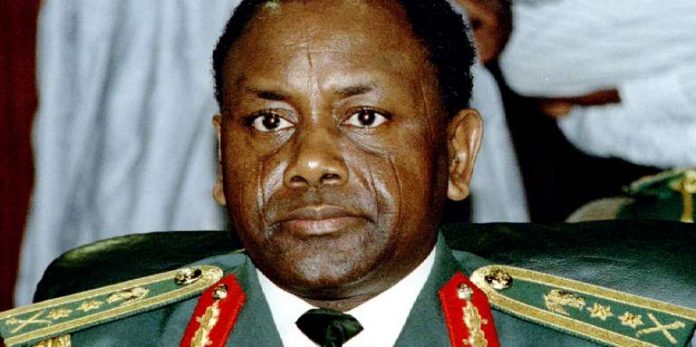
As Nigeria approaches the commemoration of June 12—now firmly established as Democracy Day—a heartfelt and urgent appeal has emerged from a group of retired military officers who were victims of what have come to be known as the “phantom coups” of 1995 and 1997. In a public letter dated June 10, 2025, the group reached out to President Bola Ahmed Tinubu, imploring him to bring long-overdue justice, dignity, and closure to their three-decade struggle.
The letter, signed by surviving officers including Col Lawan Gwadabe, Col Emmanuel Ndubueze, Col Edwin Jando, Col Babatunde Bello-Fadile, Col Olusegun Oloruntoba, and the families of Col Gabriel Ajayi and Col Roland Emokpae (both deceased), recounts years of torment following their arrest, detention, and alleged torture under the military dictatorship of General Sani Abacha.
These men, once senior officers in the Nigerian Armed Forces, were accused of plotting coups that were never substantiated by evidence. Denied fair trial and subjected to inhumane treatment, they represent a grim chapter in Nigeria’s military and political history—a time when dissent was met with brutal suppression.
“For 30 years, we have waited for justice,” the letter reads. “Our hopes raised and dashed with each change of administration.”
The group is asking President Tinubu to implement the recommendations of the Oputa Panel, officially known as the Human Rights Violations Investigation Commission, which was set up by former President Olusegun Obasanjo in 1999. The panel heard testimonies from victims and perpetrators of human rights abuses during the military era and offered specific recommendations for reparation, including:
- A formal government apology
- Compensation for victims
- Restoration of military ranks and benefits
- Promotions to reflect the career trajectories interrupted by their wrongful incarceration
- Comprehensive rehabilitation and public recognition
Despite the passage of time, none of these recommendations have been implemented with regard to the phantom coup victims.
The letter places President Tinubu in the moral spotlight, referencing his own history as a democracy advocate and exile during the Abacha years. “We hold you in high esteem as a dogged democrat and generous giver… It is with absolute trust that you will finally break the cycle of disappointment.”
The writers also draw a contrast between their continued suffering and the political resurgence of others persecuted under Abacha. “While some, like ex-President Olusegun Obasanjo, found their path to power paved by the very suffering they endured, others were left to languish in obscurity,” the letter laments.
It continues: “Mr President, we do not want to be forgotten, to be written as a footnote in the story of reparation. With you, we do not hope with uncertainty. You are different. You are Asiwaju.”
This open letter is more than a plea for personal justice—it is a broader call for national healing. The June 12 struggle represents Nigeria’s pushback against authoritarianism and its embrace of democratic ideals. Yet, for many like these officers, the democratic dividend remains elusive.
They ask that the President use the symbolic power of the upcoming June 12, 2025 celebration—a full 30 years since their ordeal began—to close one of the remaining open wounds of the military era. “The time has come to right the wrongs of the past, to heal the wounds that have festered for far too long,” the letter says.
Tragically, many of the accused have died waiting for justice. Those who survive live with the emotional and financial scars of imprisonment, dishonour, and neglect. “Several of our colleagues are languishing in untold hardship and indignity,” the letter states. “We appeal to you, one more time, Mr President, to act promptly.”
President Tinubu’s government has branded its administration the Renewed Hope Agenda , a promise to restore faith in governance and right past wrongs. For the authors of this letter, those words represent their last, best chance.President Tinubu’s response—or silence—to this appeal will resonate far beyond the individuals involved. It is a test of his administration’s moral clarity, its commitment to historical justice, and its willingness to confront uncomfortable truths about the Nigerian state. If answered, this could become one of the defining moments of his presidency.




-

 Society News5 years ago
Jamaican man beheads wife after finding out their 6 kids are not his
-
 Society News7 years ago
EXCLUSIVE: The Complete Story of Dolapo Awosika, John Fashanu and Prophet Kasali Sex Mess
-
 News6 years ago
Pastor Osagie Ize-Iyamu, His Membership Of Secret Cult, And Other Issues Touching On His Public Credentials Examined by Barr. PATRICK I. BIOSE
-

 News6 years ago
BREAKING: Ajimobi’s daughter-in-law blast Gov. Makinde, says gov can’t surpass ex-Oyo gov
-

 Society News6 years ago
The Rise and Fall of “Jumoke The Bread Seller”
-

 News6 years ago
BREAKING: 2 arrested as NAF begins investigations into Tolulope’s death
-
 Crime6 years ago
Exclusive: Female Aide Fingered In Oko Oloyun’s Murder + Banking Transactions That Nailed Husband
-
 News5 years ago
BREAKING: Police take over Edo House of Assembly as APC, Oshiomhole move to seize control


You must be logged in to post a comment Login