

News
Tinubu Signs New Electoral Act 2026 into Law, Sparks Fresh Debate Over E-Transmission Ahead Of 2027 Polls


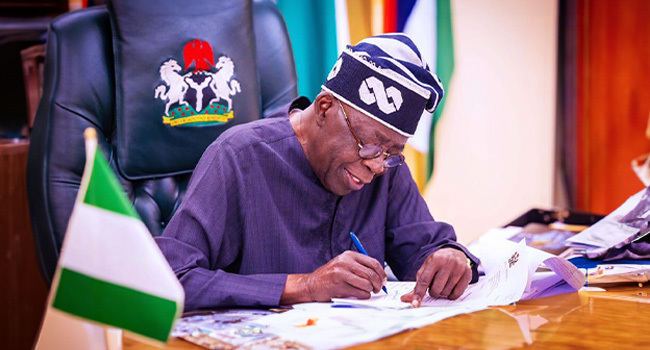
President Bola Ahmed Tinubu has signed the Electoral Act, 2022 (Repeal and Re-Enactment) Bill 2026 into law, marking a significant milestone in Nigeria’s electoral reform process.
The development follows the passage of the bill by the National Assembly on Tuesday after months of intensive deliberations and legislative scrutiny.
The new law has reignited nationwide debate over the electronic transmission of election results. Civil society organisations and opposition leaders have consistently pushed for real-time transmission of results from polling units directly to the Independent National Electoral Commission’s (INEC) central server, arguing that it would boost transparency and reduce opportunities for manipulation.
Public protests erupted at the National Assembly last week, with demonstrators demanding mandatory live transmission. The agitation stems from controversies surrounding the 2023 general elections, when technical glitches disrupted uploads to INEC’s Results Viewing Portal, fueling public distrust.
While the ruling All Progressives Congress has expressed support for deeper integration of technology in elections, some stakeholders are advocating a phased or hybrid approach. They argue that areas with limited telecommunications infrastructure should retain manual collation options where electronic systems fail.
With the Electoral Act now officially in force, attention shifts to preparations for the 2027 general elections, as Nigeria continues to navigate the delicate balance between technological innovation and the practical realities of nationwide electoral logistics.
The development follows the passage of the bill by the National Assembly on Tuesday after months of intensive deliberations and legislative scrutiny.
The new law has reignited nationwide debate over the electronic transmission of election results. Civil society organisations and opposition leaders have consistently pushed for real-time transmission of results from polling units directly to the Independent National Electoral Commission’s (INEC) central server, arguing that it would boost transparency and reduce opportunities for manipulation.
Public protests erupted at the National Assembly last week, with demonstrators demanding mandatory live transmission. The agitation stems from controversies surrounding the 2023 general elections, when technical glitches disrupted uploads to INEC’s Results Viewing Portal, fueling public distrust.
While the ruling All Progressives Congress has expressed support for deeper integration of technology in elections, some stakeholders are advocating a phased or hybrid approach. They argue that areas with limited telecommunications infrastructure should retain manual collation options where electronic systems fail.
With the Electoral Act now officially in force, attention shifts to preparations for the 2027 general elections, as Nigeria continues to navigate the delicate balance between technological innovation and the practical realities of nationwide electoral logistics.




-

 Society News5 years ago
Jamaican man beheads wife after finding out their 6 kids are not his
-
 Society News7 years ago
EXCLUSIVE: The Complete Story of Dolapo Awosika, John Fashanu and Prophet Kasali Sex Mess
-
 News6 years ago
Pastor Osagie Ize-Iyamu, His Membership Of Secret Cult, And Other Issues Touching On His Public Credentials Examined by Barr. PATRICK I. BIOSE
-

 News6 years ago
BREAKING: Ajimobi’s daughter-in-law blast Gov. Makinde, says gov can’t surpass ex-Oyo gov
-

 Society News6 years ago
The Rise and Fall of “Jumoke The Bread Seller”
-

 News6 years ago
BREAKING: 2 arrested as NAF begins investigations into Tolulope’s death
-

 Crime6 years ago
Exclusive: Female Aide Fingered In Oko Oloyun’s Murder + Banking Transactions That Nailed Husband
-

 News6 years ago
BREAKING: Police take over Edo House of Assembly as APC, Oshiomhole move to seize control


You must be logged in to post a comment Login