

Education
Three Days At A Monastery: Solitude, Silence, And Stillness


By
Dr Dayo Olomu
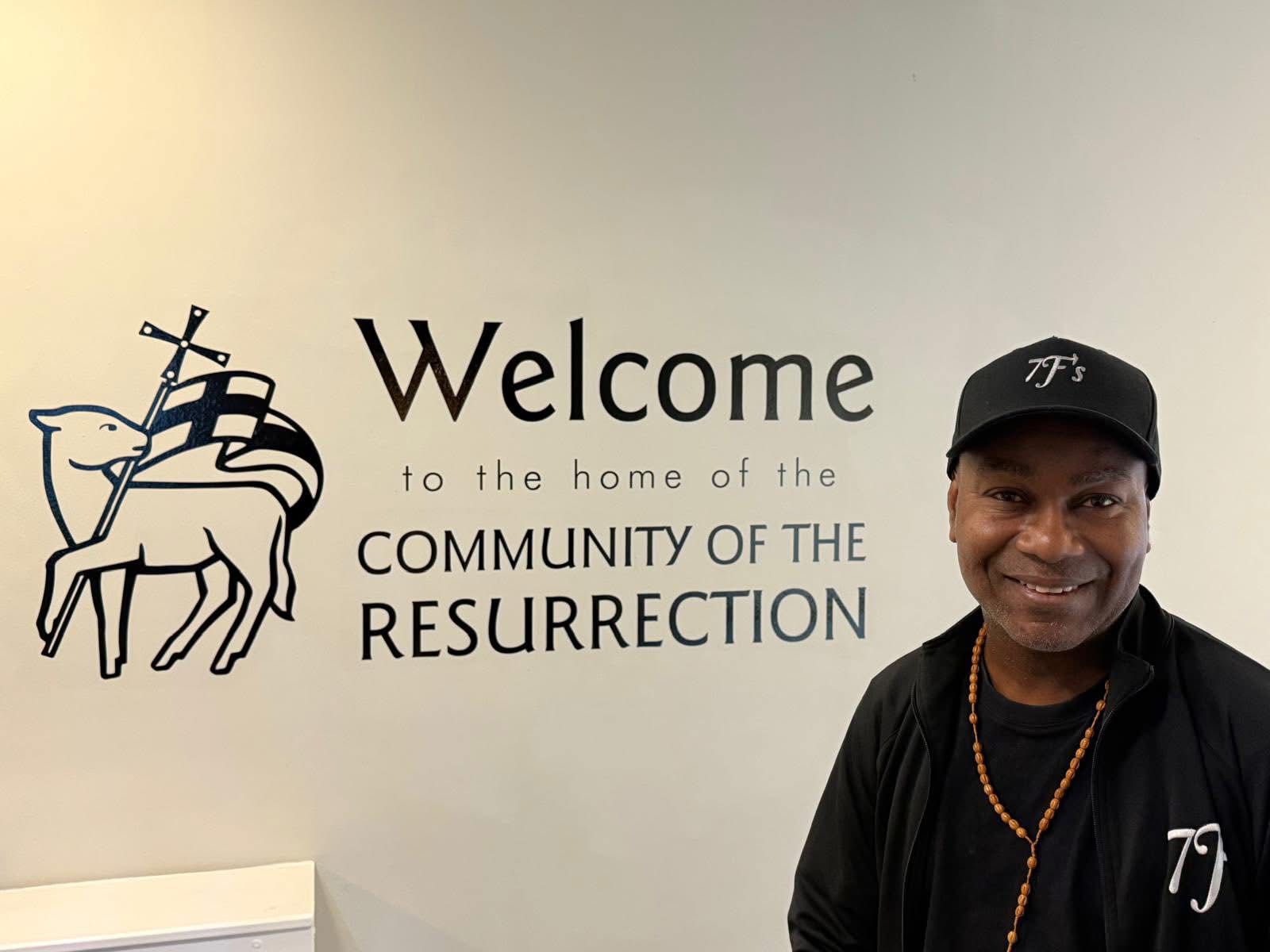
Three days at the Community of the Resurrection, a monastery in Mirfield, West Yorkshire, reminded me that true leadership begins with listening, that legacy is shaped by meaning rather than noise, and that hospitality is the discipline of welcoming every guest as Christ.
A Benedictine Rhythm of Grace
The Community of the Resurrection (CR) in Mirfield is an Anglican monastic community rooted in the Benedictine tradition. Founded in 1892 at Pusey House, Oxford, by Charles Gore, the brothers moved north in 1898 to serve the people of the industrial cities. They settled on the edge of the mill town of Mirfield, where they continue a mission of prayer, hospitality, and transformation.
CR’s vows of Stability, Obedience, and Conversion of Life are lived through simplicity, celibacy, and the sharing of goods. Their rhythm of life is anchored in prayer and worship, offered not for themselves alone but on behalf of the world. Four times daily, they gather in church for Mattins, the Midday Office, Mass, and Compline. This rhythm is not performance; it is presence.
My Reflections
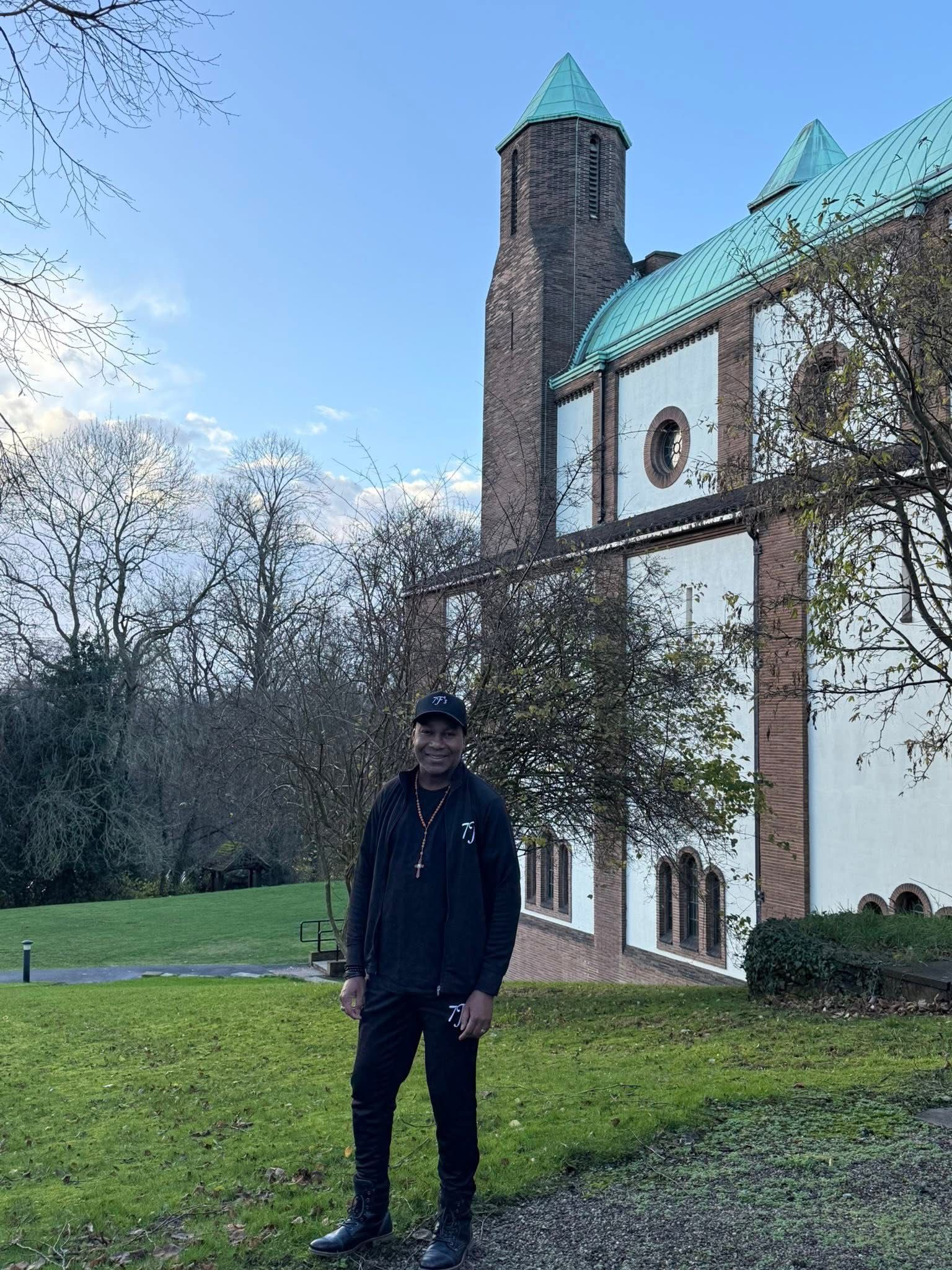
After reading the guidance for guests, I walked slowly to the grass labyrinth tucked beneath the College grounds. The winter air was still, and bare trees stood like sentinels of silence. As I stepped into the winding path, each turn felt like a shedding of noise, hurry, and self. By the time I reached the centre, I was no longer walking to arrive, but to awaken.
This retreat was not a break from life. It was a return to it. For three days, I allowed the monastery’s rhythm to shape me.
Day One: Entering the Sacred Rhythm
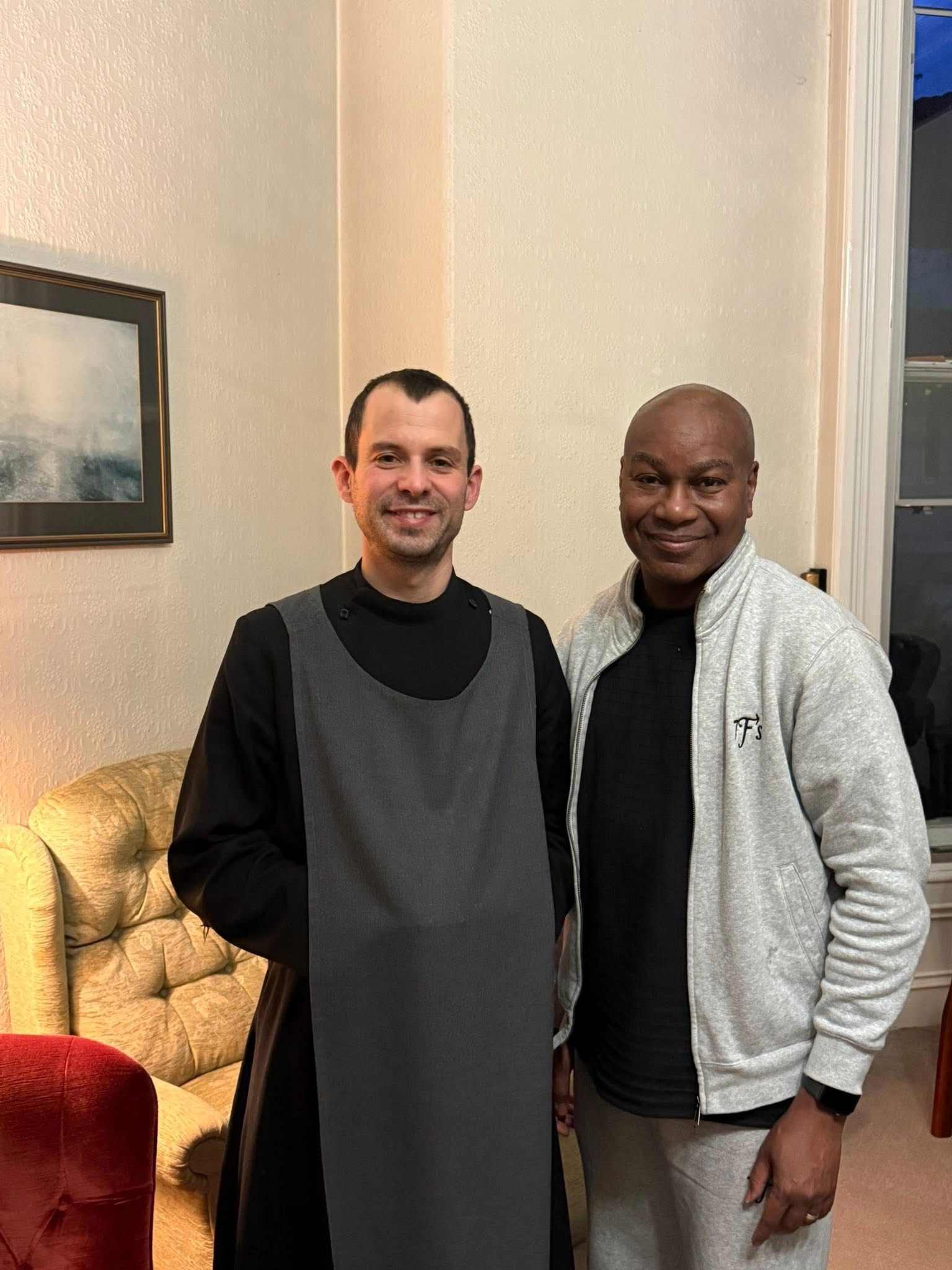
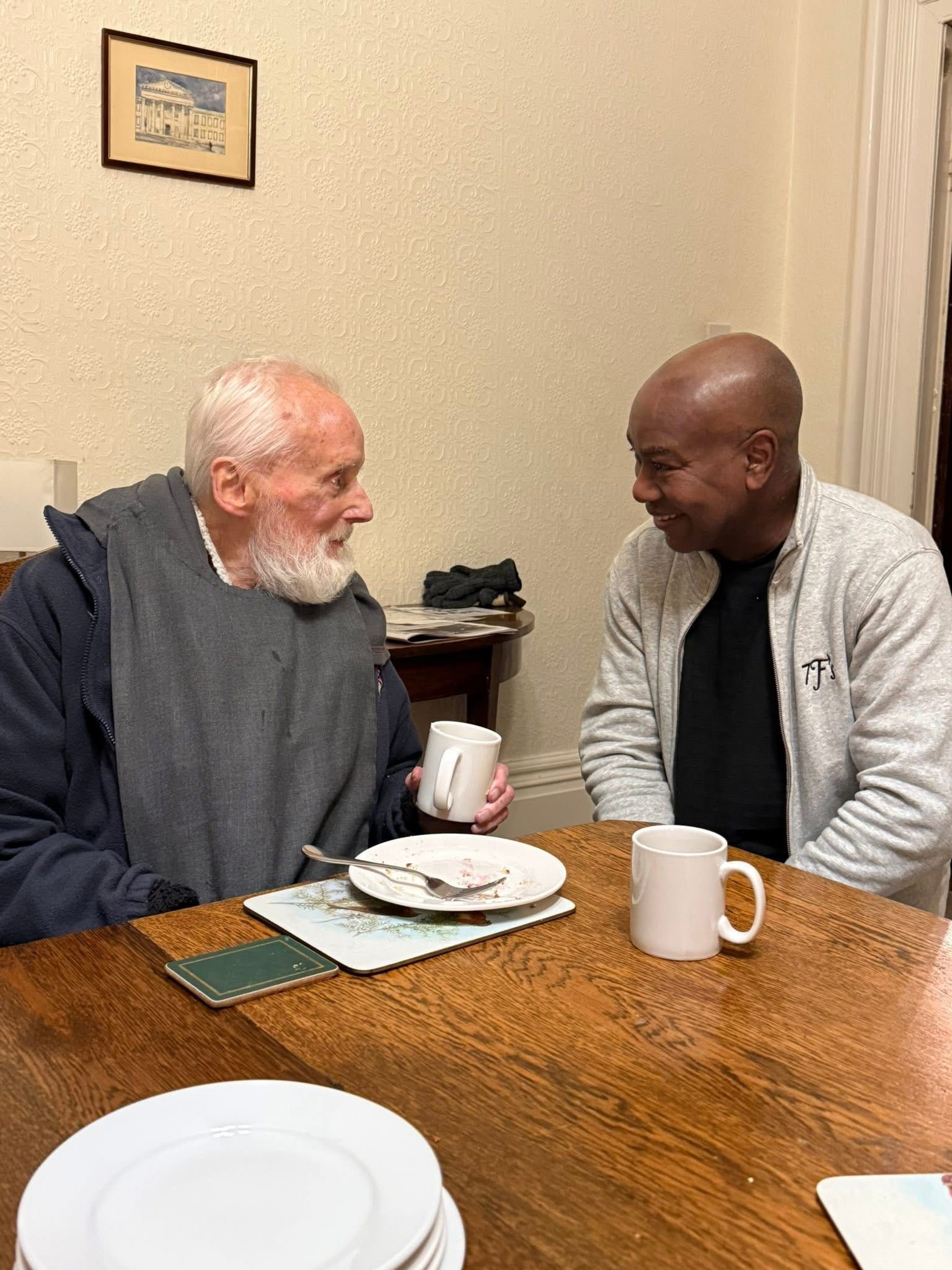
Monday, 8 December 2025, began with tea with the monks. Conversations spanned generations—from the oldest brother, aged 91, to the youngest, aged 39. Their reflections reminded me that wisdom is not bound by age but by openness to God’s call.
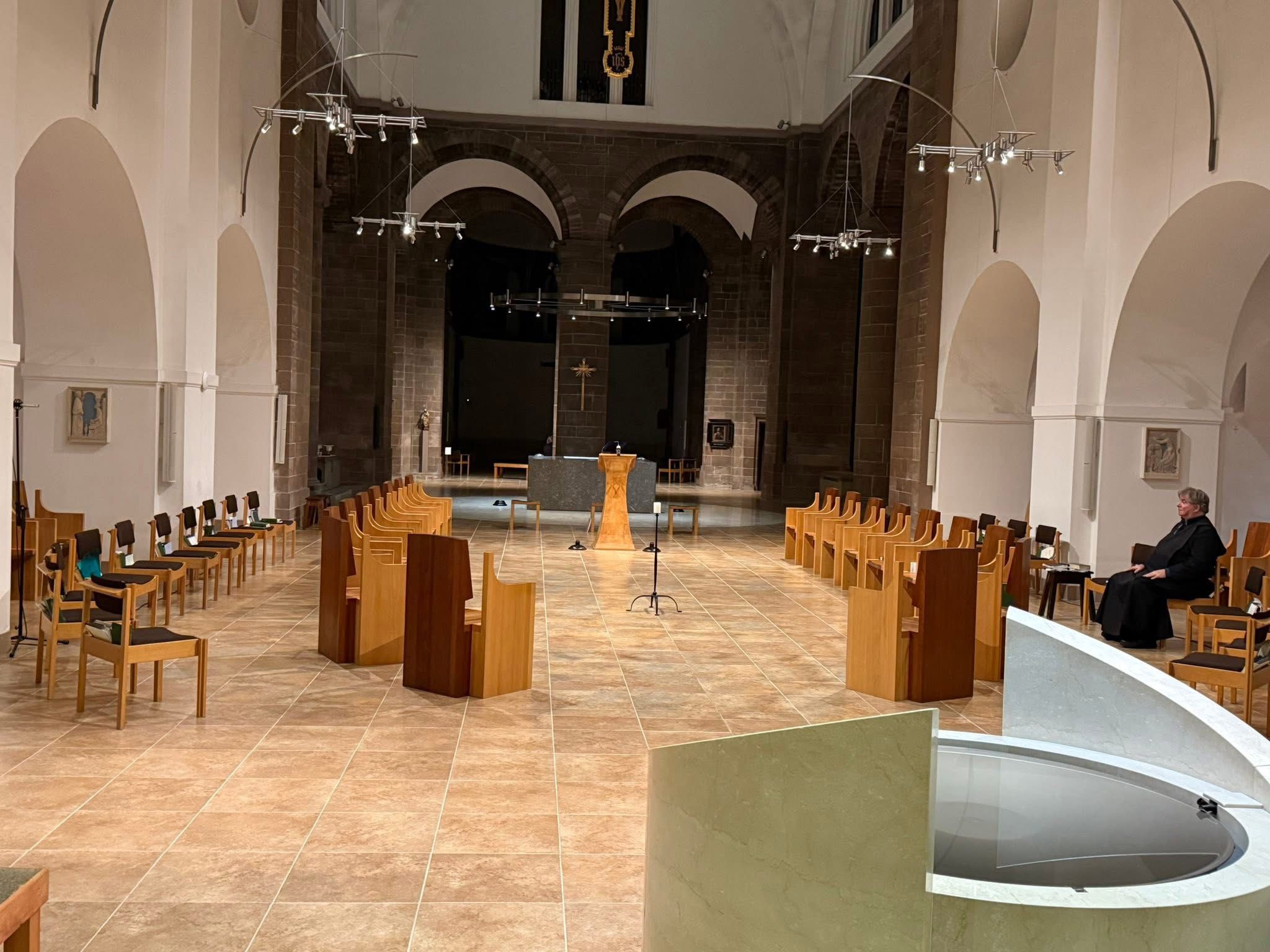
Solemn Evensong and Mass later drew me into the liturgical heartbeat of the monastery. The architecture, the chant, and the reverent pauses invited me to slow down and listen. Dinner was shared in quiet dignity, and Compline closed the day with a gentle hush.
From 8:45 p.m., silence descended—not the silence of absence, but of presence. Following the guidance offered, I welcomed silence as a friend and discovered it to be a precious gift.
Day Two: The Discipline of Stillness
Tuesday, 9 December 2025, was observed as a day of silence from waking until evening. Mattins greeted the dawn, and breakfast was taken in contemplative quiet.
Fr Charlie offered a morning talk that gently guided us into the practice of silence. He reminded us that silence is not about suppression but about attention—learning to listen more deeply to God, to creation, and to the movements of the heart. His counsel was simple and profound.
I carried these insights with me throughout the day. Walking the grounds, the crunch of leaves and the ripple of water became more vivid. In the Resurrection Chapel, I paused before the Blessed Sacrament, allowing Incarnate Love to speak without words. The retreat route around the church became a prayerful pilgrimage, each station recalling God’s gracious work through birth, Cross, Resurrection, and Ascension.
As the retreat guidance encouraged: “Do not worry about doing or saying the ‘right thing’… If you are content to spend a few days doing nothing much in the presence of God, then please feel free to do that.” I did—and it was enough.
Day Three: Departure with Depth
Wednesday, 10 December 2025, began with Mattins and breakfast in silence. Afterwards, I met briefly with the most senior monk, Fr Oswin CR. I asked him what leadership lessons he had learned from guiding the community. His response was disarmingly simple: leadership among monks is not about authority, but about service, humility, and listening.
I returned once more to the labyrinth, this time not seeking clarity but offering thanks. The final Mass was poignant—a benediction not only for the retreat but for the journey ahead.
St Benedict instructs his monks to welcome every guest as Christ. I felt that welcome deeply in Mirfield. Their hospitality was not a gesture but a way of life, reminding me that authentic leadership begins with recognising Christ in others.
By 1 p.m., I departed, not before purchasing All Christians Are Monks by George Guiver. The book explores how monastic practices—daily prayer, community, mutual submission, and Eucharistic living—are not reserved for monks alone. They belong to all Christians. It was a fitting final gift, a reminder that the monastery is not only a place but a way.

Closing Reflection: What Mirfield Taught Me
Silence creates space. At first it feels empty; then it becomes holy.
Stillness is strength. In a world of constant noise, choosing quiet is a radical act.
Presence is prayer. Even when words fail, God speaks.
This retreat reminded me that leadership begins with listening; that legacy is shaped not by volume but by meaning; and that the Holy One, who is Love, meets us not in performance but in presence.
As I return to my work, my family, and my community, I carry this prayer:
May my life reflect the stillness I found here.
May my leadership be rooted in grace.
And may my legacy be shaped by love.




-

 Society News5 years ago
Jamaican man beheads wife after finding out their 6 kids are not his
-
 Society News7 years ago
EXCLUSIVE: The Complete Story of Dolapo Awosika, John Fashanu and Prophet Kasali Sex Mess
-

 News6 years ago
Pastor Osagie Ize-Iyamu, His Membership Of Secret Cult, And Other Issues Touching On His Public Credentials Examined by Barr. PATRICK I. BIOSE
-

 News6 years ago
BREAKING: Ajimobi’s daughter-in-law blast Gov. Makinde, says gov can’t surpass ex-Oyo gov
-

 Society News6 years ago
The Rise and Fall of “Jumoke The Bread Seller”
-

 News6 years ago
BREAKING: 2 arrested as NAF begins investigations into Tolulope’s death
-

 Crime6 years ago
Exclusive: Female Aide Fingered In Oko Oloyun’s Murder + Banking Transactions That Nailed Husband
-

 News5 years ago
BREAKING: Police take over Edo House of Assembly as APC, Oshiomhole move to seize control


You must be logged in to post a comment Login