

Featured
The New Tax Laws Will Help, Not Hurt Airlines


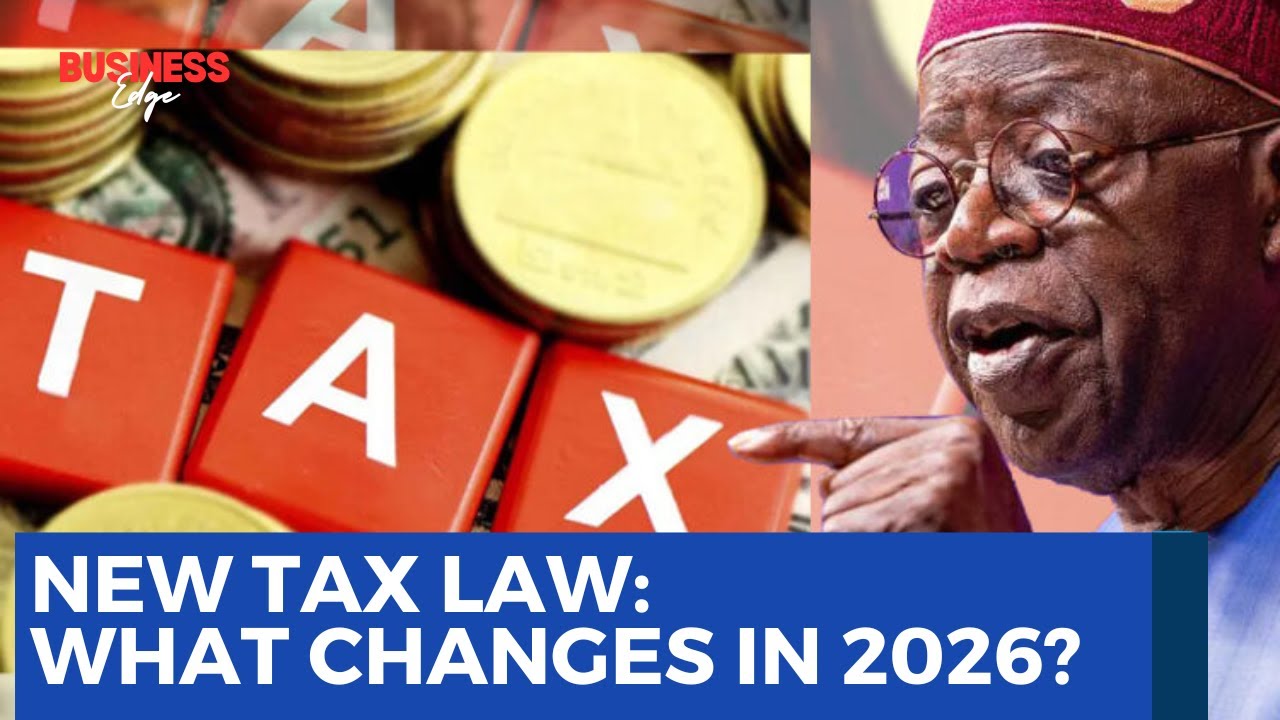
We recognise the genuine challenges facing Nigeria’s aviation industry, particularly the burden of multiple taxes, levies, and regulatory charges. The Presidential Fiscal Policy and Tax Reforms Committee on behalf of the government has engaged extensively with airline operators and those engagements are ongoing.
Contrary to the claim that the new tax laws will hurt the industry, the reform is part of the solution, not the source of the problem. Several long-standing tax issues driving costs in the sector have been resolved in the new tax laws or are being structurally addressed including:
1. Withholding Tax On Aircraft Leases
The single biggest tax burden on airlines has been the 10 percent withholding tax (WHT) on aircraft leases under the existing law. This has now been removed and replaced with a rate to be determined in a regulation, creating the legal basis for either a full exemption or a significantly lower rate.
To put this in context, on a $50 million aircraft lease, an airline currently pays $5 million in WHT, which is non-recoverable and therefore directly increases operating costs and strains cash flow. Eliminating this burden is a major structural relief for the sector.
2. VAT-From Hidden Cost To True Neutrality
While the temporary VAT suspension introduced in 2020 following COVID-19 was attractive, it came with a hidden cost. Airlines could not recover input VAT on non-exempt items including certain assets, consumables, and overheads, meaning VAT became embedded in costs.
Under the new tax laws, airlines become fully VAT-neutral. Any VAT paid on imported or locally procured assets, consumables, and services will become fully claimable. Where an airline has excess input VAT, the law mandates a refund within 30 days, supported by a fully funded tax refund account and the option to offset VAT credits against other tax liabilities. This directly reduces cost pressure and improves liquidity.
3. Import Duties
Existing exemptions on commercial aircraft, engines, and spare parts remain fully in place. There is no reversal or new burden introduced under the tax reforms.
4. Impact On Ticket Prices
Airline operations are inherently low-margin. A 7.5 percent VAT on tickets, within a system where input VAT is fully recoverable, results in a significantly lower net impact than the headline rate suggests. Even in a worst-case scenario where VAT were not claimable, the maximum impact would still be 7.5 percent, not the price increases being suggested. That is, a N125,000 ticket becomes not more than N134,375 and a N350,000 ticket not more than N376,250.
5. Corporate Income Tax (CIT)
The new law provides a framework to reduce corporate income tax from 30 percent to 25 percent which will benefit airlines. In addition, several earmarked profit-based levies including Tertiary Education Tax, NASENI, NITDA and Police levies have been harmonised into a single Development levy, reducing complexity and ensuring certainty.
6. Multiple Levies And Charges
The multiplicity of levies imposed on airlines and flight tickets is real, but these charges are not created by the new tax laws. It is therefore incorrect to attribute them to the reform. The government is actively working with operators and relevant agencies to achieve a lasting solution. Importantly, the tax harmonisation provisions in the new laws mean the situation can only improve, not worsen, from 2026.
Conclusion
Overall, the new tax laws provide a strong legal and policy framework to resolve the long-standing tax challenges in the aviation sector, reduce operating costs for airlines, and ensure minimal impact on passengers.
If the current engagement with industry stakeholders is sustained, the remaining non-tax issues will be resolved sooner rather than later. Claims not grounded in fact do not help this process. The new tax laws are not the problem, they are a critical part of the solution.
-Presidential Fiscal Policy and Tax Reforms Committee




-

 Society News5 years ago
Jamaican man beheads wife after finding out their 6 kids are not his
-
 Society News7 years ago
EXCLUSIVE: The Complete Story of Dolapo Awosika, John Fashanu and Prophet Kasali Sex Mess
-

 News6 years ago
Pastor Osagie Ize-Iyamu, His Membership Of Secret Cult, And Other Issues Touching On His Public Credentials Examined by Barr. PATRICK I. BIOSE
-

 News6 years ago
BREAKING: Ajimobi’s daughter-in-law blast Gov. Makinde, says gov can’t surpass ex-Oyo gov
-

 Society News6 years ago
The Rise and Fall of “Jumoke The Bread Seller”
-

 News6 years ago
BREAKING: 2 arrested as NAF begins investigations into Tolulope’s death
-

 Crime6 years ago
Exclusive: Female Aide Fingered In Oko Oloyun’s Murder + Banking Transactions That Nailed Husband
-

 News6 years ago
BREAKING: Police take over Edo House of Assembly as APC, Oshiomhole move to seize control


You must be logged in to post a comment Login