

Featured
Recycling Politicians Is Not Leadership


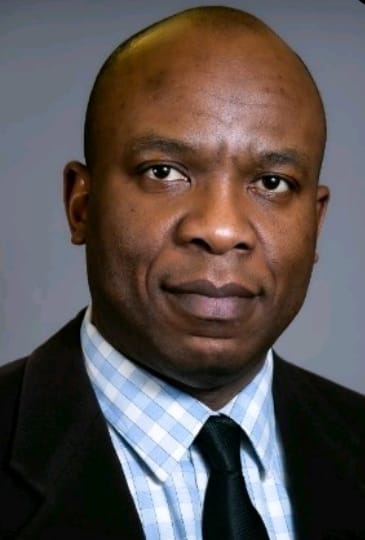
By Abidemi Adebamiwa
I have recently read several articles about the troubling trend of political recycling in Nigeria. Each piece offered facts, figures, and familiar outrage. But I thought it was time to put it into perspective—not just as a policy failure, but as a quiet collapse of accountability disguised as continuity.
A culture of political recycling is quietly undermining Nigeria’s democracy. After years in executive office, many politicians seamlessly move into legislative roles, not to advance new ideas, but to remain protected, insulated, and in control. The Senate, rather than serving as a center for oversight and reform, increasingly functions as a retirement enclave for the powerful.
What’s even more troubling is what they do—or, more accurately, what they don’t do—once they arrive.
Important bills that could shift the balance toward accountability continue to stall. Proposals to remove immunity from prosecution while in office, to investigate unexplained wealth, to protect whistleblowers, to punish electoral offenses, and to fast-track corruption cases remain in legislative limbo. Not because the laws are flawed, but because their success would threaten the comfort of the very people who must pass them.
Senator Natasha Akpoti-Uduaghan recently gave Nigerians a rare glimpse behind the curtain. She spoke publicly about the pressure legislators face to extort government agencies, demanding cash or job slots in exchange for approving budgets. She detailed how committee positions often come with informal quotas: bring in money or risk being sidelined. These are not whispers or speculation. These are firsthand accounts from someone on the inside, describing a legislature that not only tolerates corruption but is structured to extract it.
Her testimony should have sparked an immediate investigation. It should have mobilized agencies like the EFCC and ICPC into swift action. Instead, it was met with a familiar silence. That silence is a symptom of something deeper—an unwillingness to hold power accountable when it turns inward.
Now compare that to how other democracies handle misconduct within their own ranks.
In the United States, Senator Bob Menendez didn’t just face headlines—he faced federal charges over allegations involving gold bars and stacks of cash. He lost his committee role and was soon out of the Senate. Congressman George Santos was expelled in 2023 after fabricating key parts of his biography and misusing campaign money. Others—like James Traficant and Chris Collins—didn’t escape scrutiny either. Their misconduct triggered resignations, convictions, or removal. In each of these cases, the system didn’t applaud the accused. It moved to protect the institution.
The point isn’t that one country is morally superior. The point is what happens when misconduct is exposed. In the U.S., systems respond. In Nigeria, systems retreat.
Some now argue Nigeria needs a brand-new constitution to fix these failures. But replacing the entire structure won’t matter if those in power still refuse to enforce basic rules. We don’t need a new blueprint—we need the courage to follow the one we already have.
What’s missing is action. What’s needed is consequence.
Until lawmakers begin to face real repercussions for unethical behavior, until agencies stop hesitating when power is involved, and until reform bills stop dying in silence, Nigeria’s legislature will remain a place where leadership is mistaken for immunity—and where laws are written not to serve the public, but to shield the privileged.
Senator Natasha spoke out. The U.S. Congress acts when its members cross the line. Nigeria must decide whether it wants to keep shielding the old or start building something new.
Leadership is not a hiding place. It’s a responsibility. And it’s time we stopped confusing one for the other.
About the Author
Abidemi Adebamiwa is a political analyst and PhD student at Claremont Graduate University, specializing in governance and anti-corruption policy.




-

 Society News5 years ago
Jamaican man beheads wife after finding out their 6 kids are not his
-
 Society News7 years ago
EXCLUSIVE: The Complete Story of Dolapo Awosika, John Fashanu and Prophet Kasali Sex Mess
-
 News6 years ago
Pastor Osagie Ize-Iyamu, His Membership Of Secret Cult, And Other Issues Touching On His Public Credentials Examined by Barr. PATRICK I. BIOSE
-

 News6 years ago
BREAKING: Ajimobi’s daughter-in-law blast Gov. Makinde, says gov can’t surpass ex-Oyo gov
-

 Society News6 years ago
The Rise and Fall of “Jumoke The Bread Seller”
-

 News6 years ago
BREAKING: 2 arrested as NAF begins investigations into Tolulope’s death
-
 Crime6 years ago
Exclusive: Female Aide Fingered In Oko Oloyun’s Murder + Banking Transactions That Nailed Husband
-

 News6 years ago
BREAKING: Police take over Edo House of Assembly as APC, Oshiomhole move to seize control


You must be logged in to post a comment Login