

News
Prices Of Shea Nut Drop By 33% After Nigeria’s Six-Month Export Ban


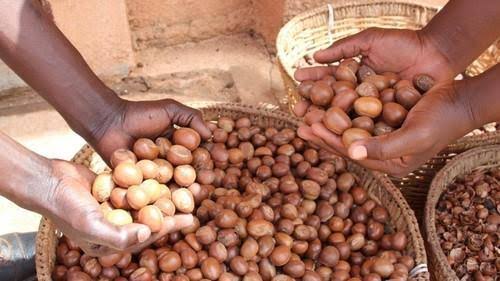
The price of shea nuts, a key ingredient in cosmetics and confectionery, has plunged in Nigeria following the government’s decision to join other West African nations in halting exports, Bloomberg reports.
At the close of trading on Thursday, the price of the nuts was N800,000 naira ($521) per ton, down 33 percent from a few days earlier, Bloomberg said, quoting Rildwan Bello, chief executive officer of Vestance, a Lagos-based consultancy that monitors agricultural markets.
On August 26, President Bola Tinubu directed a six-month temporary ban on the export of raw shea nuts.
Abubakar Kyari, the minister for agriculture and food security, said the ban was to “secure supply for local processors, create jobs, and protect a value chain where 95% of pickers are women.”
Kyari said the ban on shea nut shipments will help correct an imbalance whereby the country produces nearly 40 percent of the world’s supply, yet captures less than 1 percent of a $6.5 billion global market.
Speaking to Bloomberg, Bello said while the move was well-intentioned, the immediate financial fallout could be severe for exporters now at risk of defaulting on existing contractors.
“Exports made the market vibrant. Local demand is not as high as local supply,” he said.
“The idea of growing the local industry doesn’t happen overnight. You don’t set up a processing industry within two months. The manner of the implementation leaves a lot to be desired.”
Mobola Sagoe, CEO of Lagos-based beauty products company Shea Origin, told Bloomberg she expects the ban to “halt the massive illegal exportation of raw shea nuts from the country and the sub-region”.
“The decision could not have come at a better time,” she said.
According to the report, Ali Saidu, chief executive officer of Salid Agriculture Ltd, a Nigerian processor, described the moratorium as an opportunity.
“His company aims to sharply increase production of its own shea butter from its plant in central Niger over the next six months,” Bloomberg said.
Adesuwa Akinboro, country director at TechnoServe, a US-based nonprofit that tries to help smallholder farmers in middle-and low-income countries increase their earnings, expressed doubts about the policy’s effectiveness.
Akinboro said the ban will initially shrink the market and result in reduced incomes, adding that six months is too short to really reap the benefits.




-

 Society News5 years ago
Jamaican man beheads wife after finding out their 6 kids are not his
-
 Society News7 years ago
EXCLUSIVE: The Complete Story of Dolapo Awosika, John Fashanu and Prophet Kasali Sex Mess
-

 News6 years ago
Pastor Osagie Ize-Iyamu, His Membership Of Secret Cult, And Other Issues Touching On His Public Credentials Examined by Barr. PATRICK I. BIOSE
-

 News6 years ago
BREAKING: Ajimobi’s daughter-in-law blast Gov. Makinde, says gov can’t surpass ex-Oyo gov
-

 Society News6 years ago
The Rise and Fall of “Jumoke The Bread Seller”
-

 News6 years ago
BREAKING: 2 arrested as NAF begins investigations into Tolulope’s death
-

 Crime6 years ago
Exclusive: Female Aide Fingered In Oko Oloyun’s Murder + Banking Transactions That Nailed Husband
-

 News6 years ago
BREAKING: Police take over Edo House of Assembly as APC, Oshiomhole move to seize control


You must be logged in to post a comment Login