

Featured
Nigeria Happened Or Ignorance Happened?


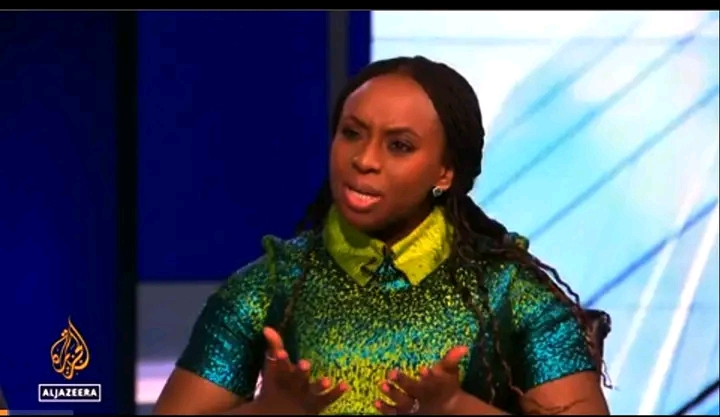
By Olabode Opeseitan
Let me begin by expressing my deepest condolences to one of Nigeria’s most distinguished literary voices, Chimamanda Ngozi Adichie, on the tragic loss of her son. May the God of all comfort strengthen you with grace and peace in this season of unspeakable loss.
This is a human tragedy first, not a talking point. Public discourse must reflect that dignity, even while insisting on evidence, accountability, and reform.
CHIMAMANDA’S GRIEF BEFORE JUDGMENT
Chimamanda has publicly alleged criminal negligence in the treatment her son received at a Lagos hospital. The allegation is grave and heartbreaking, but it has not yet been confirmed by an independent investigation or court ruling. The Lagos State Government has announced an inquiry, but no verified findings have been released.
In the absence of such findings, rushing to declare that “Nigeria happened” to her son is premature. It turns a family’s grief into a projection screen for national self-loathing, rather than a call for due process, transparent inquiry, and systemic improvement.
TRAGEDIES ARE GLOBAL, NOT UNIQUELY NIGERIAN
Medical errors and systemic failures claim lives across the world. In the United States, a Johns Hopkins study estimated that over 250,000 people die annually from preventable medical errors, ranking third among causes of death. Earlier estimates by the Journal of Patient Safety placed the figure as high as 440,000.
Canada records between 9,000 and 23,000 preventable hospital deaths each year, according to the Canadian Institute for Health Information. Across the European Union, over 400,000 people under age 75 die annually from treatable conditions; deaths that better care could have prevented.
Fire-related fatalities persist too. The United States sees more than 3,000 such deaths annually despite strict building codes. The United Kingdom records hundreds, with each major incident, such as the Grenfell Tower fire, prompting public inquiries and regulatory reform, not “UK happened” memes.
THE SHORTCUT OF “NIGERIA HAPPENED”
Reducing every tragedy to “Nigeria happened” may feel cathartic, but it often signals intellectual laziness. It collapses complex failures into a single phrase, dodging the harder work of dissecting layered issues, identifying the roles of individuals and institutions, and confronting the impact of policies.
The phrase surfaced immediately after Chimamanda’s loss. It echoed through church testimonies, podcasts, and social media, where it became shorthand for chaos, dysfunction, and despair. But it also indicted a nation before any trial, obscuring the need for targeted accountability and missing the opportunity to turn institutional shortcomings into catalysts for meaningful reform.
REDIRECTING TOWARD ACCOUNTABILITY
We can do better. Public commentators should mourn with families, demand coroner’s inquests, call for medical audits, and insist on legal consequences where negligence is proven. They should shift the conversation from fatalism to reform, from despair to data, from memes to measurable outcomes.
Nigeria does not “happen” as fate. Systems fail or work because people design, fund, and run them. Serious discourse demands more than outrage. It demands the resolve to build institutions that honor every life.
Johns Hopkins All Children’s Hospital
Johns Hopkins Bloomberg School of Public Health
#Nigeria
#medicalerrors
#Euracarehospital
#Doctors
#Lagos




-
 Society News5 years ago
Jamaican man beheads wife after finding out their 6 kids are not his
-
 Society News7 years ago
EXCLUSIVE: The Complete Story of Dolapo Awosika, John Fashanu and Prophet Kasali Sex Mess
-

 News6 years ago
Pastor Osagie Ize-Iyamu, His Membership Of Secret Cult, And Other Issues Touching On His Public Credentials Examined by Barr. PATRICK I. BIOSE
-

 News6 years ago
BREAKING: Ajimobi’s daughter-in-law blast Gov. Makinde, says gov can’t surpass ex-Oyo gov
-

 Society News6 years ago
The Rise and Fall of “Jumoke The Bread Seller”
-

 News6 years ago
BREAKING: 2 arrested as NAF begins investigations into Tolulope’s death
-

 Crime6 years ago
Exclusive: Female Aide Fingered In Oko Oloyun’s Murder + Banking Transactions That Nailed Husband
-

 News5 years ago
BREAKING: Police take over Edo House of Assembly as APC, Oshiomhole move to seize control


You must be logged in to post a comment Login