

Featured
Nigeria And Its Principal–Agent Wahala


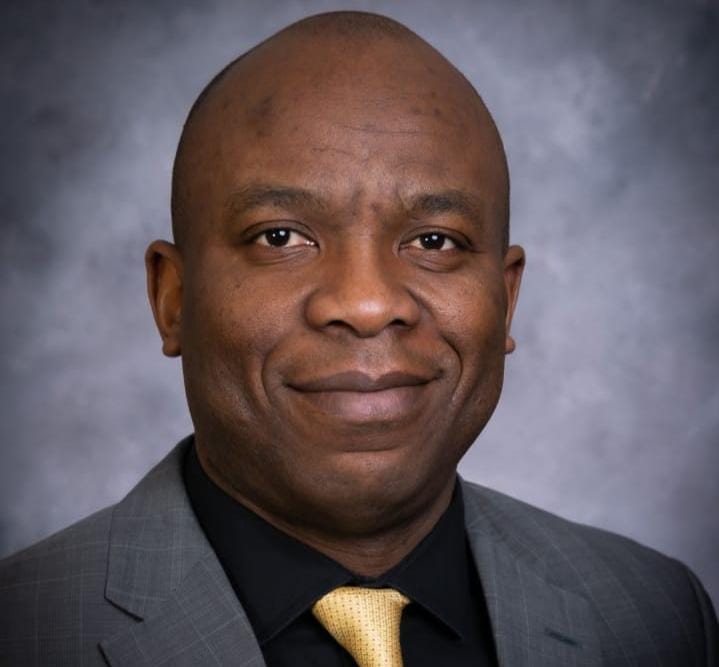
By Abidemi Adebamiwa
I was trying to explain this to someone just this past week, but the person simply would not buy it. I told them something very basic about democracy, citizens are supposed to be the bosses, and elected officials are supposed to work for them. Somehow, in Nigeria, that idea has been turned upside down.
The same people who complain about politicians are the ones who actually pay them. Government does not create money from thin air. The salaries of presidents, governors, senators, ministers, and thousands of political appointees come from public funds. Those funds come from taxes, VAT on everyday purchases, oil revenue that belongs to the country, and other national resources. In simple terms, Nigerians are the ones paying the bill.
Yet, listen to how many citizens talk about politicians. You hear things like, “Leave the governor alone,” or, “The president knows best,” as if those officials are doing the country a personal favor. They are not. They are simply doing the job they were hired to do.
Even some officials reinforce this mindset. During the EndSARS protests in 2020, Kaduna State governor Nasir El-Rufai said his government would not negotiate with protesters, even if they demonstrated for months. Statements like that create the impression that leaders see themselves as authority figures rather than employees of the people.
The same tone appeared in comments by Nyesom Wike when he argued that Nigerians were “lucky” to have a president tolerant of criticism and warned that under some leaders citizens “won’t be lucky again.” Statements like that subtly suggest that people should be grateful for restraint from power, rather than seeing criticism as a normal democratic right.
In many ways, this is also a problem of incomplete decolonization. Political independence is one thing, but decolonizing the mind is another. The Kenyan writer Ng?g? wa Thiong’o argued in his book Decolonising the Mind that colonial systems shaped how people think about authority and power. If citizens still see leaders as rulers rather than public servants, then part of that colonial mindset remains.
Meanwhile, Nigeria has lost hundreds of billions of dollars to corruption since independence. That money could have built schools, hospitals, and reliable electricity.
So the real problem is not only corruption. It is also civic understanding. Once citizens realize that the people in power are literally being paid with public money, the relationship becomes clearer. Politicians are not bosses. They are employees of the Nigerian people.
Abidemi is the Managing Editor @ Newspot Nigeria




-

 Society News5 years ago
Jamaican man beheads wife after finding out their 6 kids are not his
-
 Society News7 years ago
EXCLUSIVE: The Complete Story of Dolapo Awosika, John Fashanu and Prophet Kasali Sex Mess
-
 News6 years ago
Pastor Osagie Ize-Iyamu, His Membership Of Secret Cult, And Other Issues Touching On His Public Credentials Examined by Barr. PATRICK I. BIOSE
-

 News6 years ago
BREAKING: Ajimobi’s daughter-in-law blast Gov. Makinde, says gov can’t surpass ex-Oyo gov
-

 Society News6 years ago
The Rise and Fall of “Jumoke The Bread Seller”
-

 News6 years ago
BREAKING: 2 arrested as NAF begins investigations into Tolulope’s death
-
 Crime6 years ago
Exclusive: Female Aide Fingered In Oko Oloyun’s Murder + Banking Transactions That Nailed Husband
-
 News6 years ago
BREAKING: Police take over Edo House of Assembly as APC, Oshiomhole move to seize control


You must be logged in to post a comment Login