

Featured
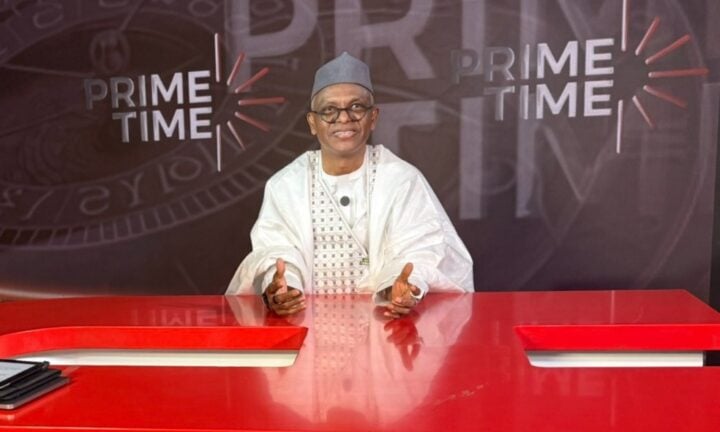
El-Rufai’s Politics Of Grievance And National Trust


By
Abimbola Tooki
Nigeria is no stranger to robust debate. What it must resist—especially at a time of institutional reform—is the weaponisation of grievance by those who once sat at the very heart of power. The recent conduct of Nasir Ahmad El-Rufai fits a troubling pattern: a dramatic pivot from insider to incendiary critic, driven less by principle than by personal disappointment following his failure to secure a ministerial role in the administration of Bola Ahmed Tinubu.
This is not dissent. It is pique dressed up as patriotism.
This is not dissent. It is pique dressed up as patriotism.
The Ministerial Rejection That Triggered a Political U-Turn
El-Rufai’s nomination for ministerial office was subjected to constitutional scrutiny. The Senate did not clear him after security assessments. That should have been the end of the matter. In a democracy, institutions decide; individuals accept outcomes and move on.
Instead, El-Rufai chose escalation. His rhetoric hardened, his media appearances sharpened, and his commentary morphed into a relentless narrative that sees little, if anything, positive in the Tinubu administration. The timing is instructive: the tone changed not after policy failures, but after personal exclusion.
Instead, El-Rufai chose escalation. His rhetoric hardened, his media appearances sharpened, and his commentary morphed into a relentless narrative that sees little, if anything, positive in the Tinubu administration. The timing is instructive: the tone changed not after policy failures, but after personal exclusion.
Confrontation When Interests Are Unmet
Those familiar with El-Rufai’s career will recognise the script. When interests align, he is combative in defence of authority. When they do not, he becomes combative against it. From public quarrels with party elders to dismissive responses toward critics, his political style has often favoured confrontation over consensus.
This disposition now plays out on a national stage, with sweeping condemnations that leave little room for nuance. The question Nigerians must ask is simple: where was this fury prior to the 2023 presidential election?
This disposition now plays out on a national stage, with sweeping condemnations that leave little room for nuance. The question Nigerians must ask is simple: where was this fury prior to the 2023 presidential election?
Selective Outrage and Political Amnesia
Perhaps the clearest evidence that today’s criticisms are grievance-driven is El-Rufai’s sudden political warmth toward Atiku Abubakar. This is a striking reversal. In earlier years, El-Rufai publicly questioned Atiku’s leadership credentials, political integrity, and consistency. Those remarks were not whispered; they were emphatic.
Today, those criticisms have vanished, conveniently replaced by camaraderie. Principles, it seems, are flexible when alliances are useful. Nigerians are right to be suspicious of such political shape-shifting.
It bears repeating: Nigeria gave El-Rufai extraordinary opportunities. He has served as Director-General of the Bureau of Public Enterprises, Minister of the Federal Capital Territory, and two-term Governor of Kaduna State. These are apex roles in public service, entrusted only to those deemed capable and loyal to the republic. To emerge from such privilege and portray oneself as a perpetual victim of the system is disingenuous.
Criticism is legitimate. Ingratitude masquerading as moral outrage is not.
Today, those criticisms have vanished, conveniently replaced by camaraderie. Principles, it seems, are flexible when alliances are useful. Nigerians are right to be suspicious of such political shape-shifting.
It bears repeating: Nigeria gave El-Rufai extraordinary opportunities. He has served as Director-General of the Bureau of Public Enterprises, Minister of the Federal Capital Territory, and two-term Governor of Kaduna State. These are apex roles in public service, entrusted only to those deemed capable and loyal to the republic. To emerge from such privilege and portray oneself as a perpetual victim of the system is disingenuous.
Criticism is legitimate. Ingratitude masquerading as moral outrage is not.
From Rhetoric to National Security
The debate took a far more serious turn with investigations by the Economic and Financial Crimes Commission and criminal charges reportedly filed by the Federal Government at the Federal High Court, Abuja. These charges stem from statements El-Rufai allegedly made during an interview on Arise TV concerning the purported unlawful interception of the communications of the National Security Adviser, Nuhu Ribadu.
The three counts reportedly allege:
An admission of unlawful interception under the Cybercrimes (Prohibition, Prevention, etc.) Amendment Act, 2024;
Knowledge of such acts without reporting them to authorities;
The use of technical systems that allegedly compromised public safety under the Nigerian Communications Act, 2003.
These remain allegations and must be tested in court. Yet their seriousness cannot be wished away. Matters touching on national security demand sobriety—not bravado or media theatrics.
Knowledge of such acts without reporting them to authorities;
The use of technical systems that allegedly compromised public safety under the Nigerian Communications Act, 2003.
These remain allegations and must be tested in court. Yet their seriousness cannot be wished away. Matters touching on national security demand sobriety—not bravado or media theatrics.
Why His Voice on National Interest Rings Hollow
When criticism acknowledges progress, proposes alternatives, and respects institutions, it strengthens democracy. When it denies all achievements, impugns motives wholesale, and frames every action as failure, it weakens public trust.
El-Rufai’s recent posture, as portrayed by critics, fits the latter. It reads as the language of revenge rather than reform.
El-Rufai’s recent posture, as portrayed by critics, fits the latter. It reads as the language of revenge rather than reform.
The Larger Danger
Power is not merely about brilliance or boldness; it is about temperament, restraint, and consistency. Leaders who turn combative whenever personal interests are bruised pose a risk to democratic stability. They blur the line between national interest and personal vendetta.
Nigeria cannot afford leaders who see the state as an extension of self, or criticism as a tool for settling scores.
El-Rufai remains a talented public figure. But talent without humility, and criticism without consistency, can quickly curdle into liability. Until he demonstrates that his interventions are guided by principle rather than grievance, Nigerians are justified in treating his pronouncements on national interest with caution.
Democracy rewards service, not spite. And history is rarely kind to those who confuse personal disappointment with national decline.
Nigeria cannot afford leaders who see the state as an extension of self, or criticism as a tool for settling scores.
El-Rufai remains a talented public figure. But talent without humility, and criticism without consistency, can quickly curdle into liability. Until he demonstrates that his interventions are guided by principle rather than grievance, Nigerians are justified in treating his pronouncements on national interest with caution.
Democracy rewards service, not spite. And history is rarely kind to those who confuse personal disappointment with national decline.
-Tooki is a communications expert, founder, and Special Adviser to the National Chairman of the All Progressives Congress (APC) on Media and Communications Strategy. He can be reached via bimtok@yahoo.com.




-

 Society News5 years ago
Jamaican man beheads wife after finding out their 6 kids are not his
-
 Society News7 years ago
EXCLUSIVE: The Complete Story of Dolapo Awosika, John Fashanu and Prophet Kasali Sex Mess
-
 News6 years ago
Pastor Osagie Ize-Iyamu, His Membership Of Secret Cult, And Other Issues Touching On His Public Credentials Examined by Barr. PATRICK I. BIOSE
-

 News6 years ago
BREAKING: Ajimobi’s daughter-in-law blast Gov. Makinde, says gov can’t surpass ex-Oyo gov
-

 Society News6 years ago
The Rise and Fall of “Jumoke The Bread Seller”
-

 News6 years ago
BREAKING: 2 arrested as NAF begins investigations into Tolulope’s death
-
 Crime6 years ago
Exclusive: Female Aide Fingered In Oko Oloyun’s Murder + Banking Transactions That Nailed Husband
-

 News6 years ago
BREAKING: Police take over Edo House of Assembly as APC, Oshiomhole move to seize control


You must be logged in to post a comment Login