

Featured
College Sports: The Lucrative Oil Wells Nigeria Ignored


By
Olabode Opeseitan
Nigeria is in dire need of every resource it can tap to grow its GDP to $1 trillion, renew its infrastructure, and improve the quality of life for its people. Yet, there’s a resource you may describe as a low-hanging fruit, Nigeria’s ticket to progress, which, unfortunately, the country has ignored for decades. It’s college sports. The new lucrative oil begging Nigeria to explore.
Nigerian youths are a treasure trove of talent. Their exploits across the world have validated their eminence. But an undeveloped talent is as worthless as unexplored petroleum or any other mineral resource buried in the ground.
College sports, those vibrant, tribal, adrenaline-soaked spectacles, have become multi-billion-dollar ecosystems in countries that dared to see education beyond the classroom. Nigeria, with its teeming youth population and athletic prowess, has stood at the sidelines, watching the game but never entering the field. This is not just a missed opportunity, it is a national oversight.
THE GLOBAL SCOREBOARD: Who’s Winning?
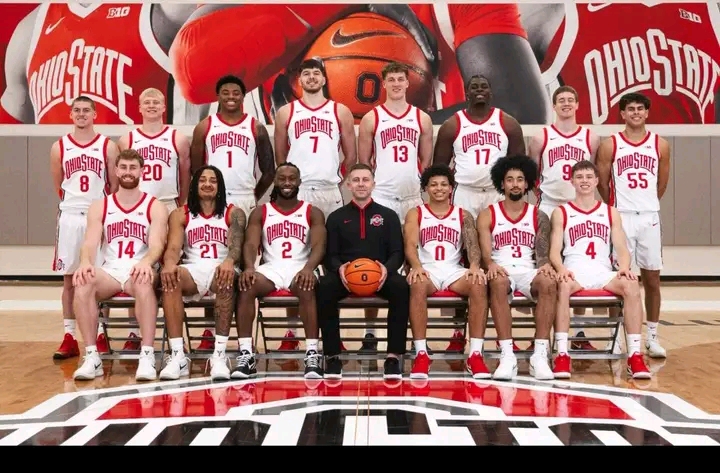
United States: The undisputed champion of college sports monetization. In 2022 alone, college sports across all entities generated a staggering 13.6 billion dollars in revenue. This windfall is powered by massive media rights deals, especially for college football and NCAA March Madness, along with ticket sales, sponsorships, licensing, and merchandising. Top programs like Ohio State, Texas, and Texas A&M are each valued at over 1 billion dollars, rivaling professional sports franchises in brand equity and infrastructure.
Japan: While not as commercially aggressive, Japan’s college baseball league draws millions of viewers. The National High School Baseball Championship (Koshien) is a cultural phenomenon. Revenue is driven by broadcast rights, corporate sponsorships, and alumni donations.
United Kingdom: Though traditionally less commercialized, UK universities are now investing in varsity sports, especially rugby and rowing. Corporate partnerships and digital streaming platforms are expanding reach and revenue.
THE BENEFITS: More Than Just Games
For Students:
• Scholarships that democratize access to higher education.
• Leadership, discipline, and teamwork: skills that outlast the final whistle.
• Pathways to professional careers, both in and out of sports.
For Society:
• National pride and unity, especially in divided times.
• Economic stimulation through job creation, tourism, and local business growth.
• Healthier youth, reducing long-term public health costs.
Nigeria’s Missed Camelot and the Path Forward
Nigeria has the raw talent. From dusty pitches in Jos to basketball courts in Lagos, the country pulses with athletic promise. What’s missing is structure, vision, and investment.
A Sustainable Playbook for Nigeria:
1. Establish a National Collegiate Sports Authority (NCSA) to regulate, fund, and promote inter-university leagues.
2. Leverage existing infrastructure—stadiums, media houses, and digital platforms.
3. Partner with private sector sponsors (telecoms, banks, FMCGs) for naming rights and broadcast deals.
4. Incentivize universities with performance-based grants and scholarship endowments.
5. Create a national calendar of televised college sports seasons.
NCSA should launch with four flagship sports:
• Football: Nigeria’s national passion, with deep roots and a massive fan base.
• Basketball: Rapidly growing in popularity, with a strong diaspora presence and international success.
• Volleyball: Accessible, gender-inclusive, and widely played in schools and communities.
• Athletics: A proven medal-winning domain for Nigeria, with strong potential for global visibility.
Each sport should have men’s and women’s divisions, ensuring gender equity and maximizing talent discovery.
Seed Funding: The Kickoff
• Corporate Social Responsibility allocations from top Nigerian companies.
• Diaspora bonds targeting alumni and sports-loving Nigerians abroad.
• Public-private partnerships with global sports brands.
• A dedicated sports development levy on betting companies.
• An annual N10 billion stabilization fund for the first five years provided the Federal Government
The Potential Profits
With just 20 universities participating, Nigeria could generate 50 to 100 billion naira annually within five years through media rights, ticketing, merchandising, and sponsorships. That is not fantasy, it is pragmatic. And that is just the beginning. With scale, structure, and storytelling, college sports could become a cornerstone of Nigeria’s creative economy.
The Final Whistle
If any government can turn this vision into a legacy, it is the Tinubu administration. This is a government that has shown it can think beyond the status quo, reform entrenched systems, and invest in the future. College sports is not just a game. It is a nation-building tool, a youth employment engine, and a cultural export waiting to happen.
Let us not wait until another country shows us what we could have done. Let us lace up, step onto the field, and play to win.
Because in the global arena of ideas and innovation, Nigeria must stop warming the bench.
#collegesports
#collegefootball
#collegebasketball
#nigeria
#RenewedHope
#university




-

 Society News5 years ago
Jamaican man beheads wife after finding out their 6 kids are not his
-
 Society News7 years ago
EXCLUSIVE: The Complete Story of Dolapo Awosika, John Fashanu and Prophet Kasali Sex Mess
-

 News6 years ago
Pastor Osagie Ize-Iyamu, His Membership Of Secret Cult, And Other Issues Touching On His Public Credentials Examined by Barr. PATRICK I. BIOSE
-

 News6 years ago
BREAKING: Ajimobi’s daughter-in-law blast Gov. Makinde, says gov can’t surpass ex-Oyo gov
-

 Society News6 years ago
The Rise and Fall of “Jumoke The Bread Seller”
-

 News6 years ago
BREAKING: 2 arrested as NAF begins investigations into Tolulope’s death
-
 Crime6 years ago
Exclusive: Female Aide Fingered In Oko Oloyun’s Murder + Banking Transactions That Nailed Husband
-

 News6 years ago
BREAKING: Police take over Edo House of Assembly as APC, Oshiomhole move to seize control


You must be logged in to post a comment Login