

News
Eminent Nigerians Urge Calm, Dialogue Over Dangote Refinery Dispute, Call Project A National Lifeline


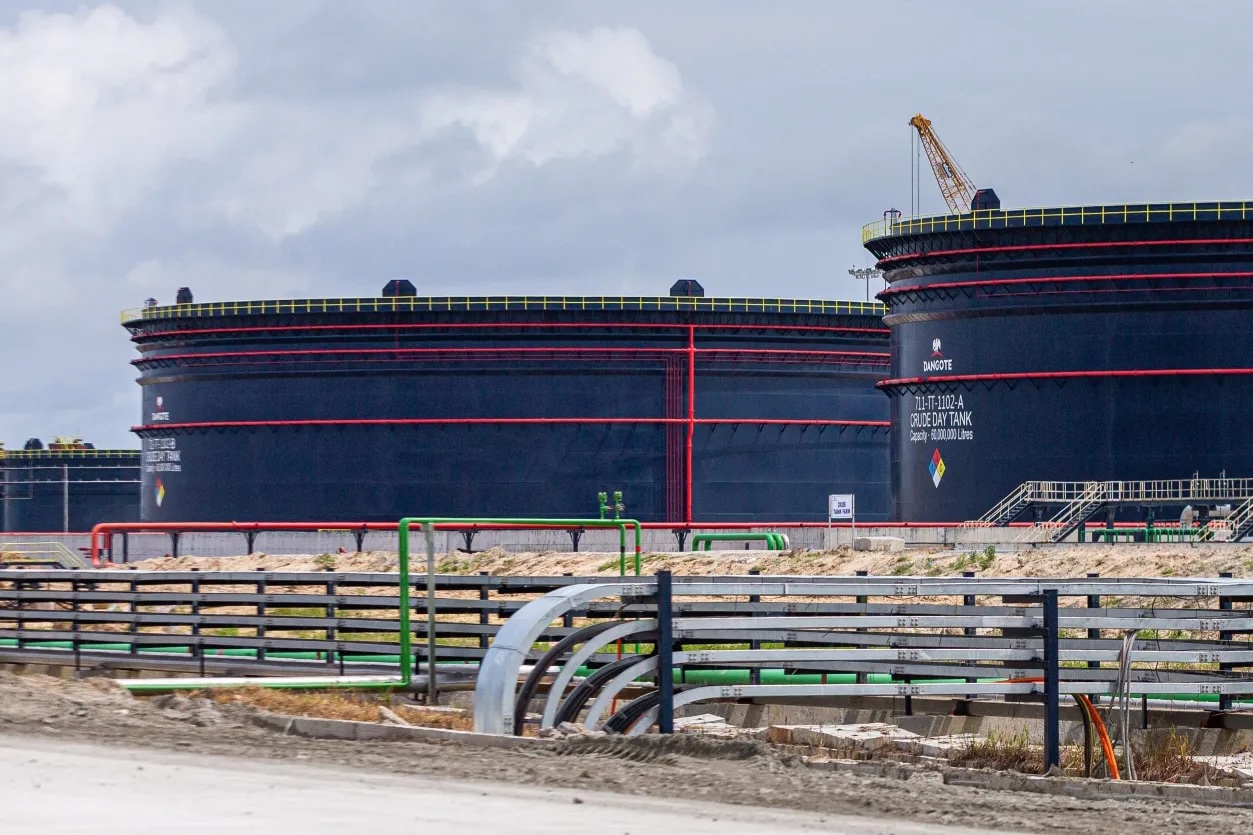
A group of prominent Nigerians have issued a joint statement calling for calm, dialogue, and mutual respect in the wake of the recent industrial dispute involving the Dangote Refinery. The statement, signed by Atedo Peterside, Khalifa Muhammad Sanusi II, Bishop Matthew Hassan Kukah, Osita Chidoka, Opeyemi Adamolekun, Ibrahim Dahiru Waziri, and Abubakar Siddique Mohammed, described the refinery as a national symbol of hope and a vital step toward Nigeria’s economic independence.
The group expressed concern over the disputes and disruptions that recently surrounded the refinery but commended the Federal Government for stepping in to de-escalate the situation through mediation and renewed dialogue between labour and management. They said the episode raised important lessons for Nigeria’s economic future, adding that the Dangote Refinery represents more than a private venture but a demonstration of what bold domestic investment can achieve.
According to the statement, the refinery has already begun easing supply pressures, with petrol prices in some parts of the country dropping from about ?1,500 per litre to ?820, a reduction of about 55 percent. The signatories noted that this development has brought relief to Nigerians and helped reduce transport and food costs, while also signaling to local and foreign investors that industry can still thrive in Nigeria.
They, however, cautioned that the strikes and threats that accompanied the dispute sent the wrong signals to investors and could discourage both domestic and foreign investment at a critical time when Nigeria needs capital and innovation. They emphasized that industrial disputes must be handled carefully to protect jobs, economic stability, and investor confidence, describing the refinery as a national lifeline with far-reaching implications for employment, energy security, and inflation.
The statement underscored three key principles: respect for workers’ rights as guaranteed by the Constitution, protection of markets and productivity to ensure the economy is not held hostage by industrial action, and the need for transparency, fair labour practices, and social responsibility by major investors.
The group also noted that concerns about monopoly or market dominance should not be resolved through disruptive strikes but through appropriate statutory institutions such as the Federal Competition and Consumer Protection Commission (FCCPC). They maintained that there is no legal monopoly in refining, as others are free to invest in the sector if they can mobilize the necessary resources and expertise.
Commending the Federal Government, labour unions, and the Dangote Group for stepping back from confrontation and resolving the crisis through dialogue, the signatories urged that such constructive engagement should serve as a template for future disputes. They warned, however, that disruptions of this nature could harm investor confidence and undermine Nigeria’s efforts to reduce dependence on fuel imports.
The leaders concluded that the crisis is not just about a refinery but about the broader direction of Nigeria’s economy — whether the country would continue a cycle of scarcity and rent-seeking or embrace productivity, fairness, and shared prosperity. They described the Dangote Refinery as an audacious step forward that should not be undermined but strengthened as a signal to other industrialists that investing in Nigeria’s future is worthwhile.




-

 Society News5 years ago
Jamaican man beheads wife after finding out their 6 kids are not his
-
 Society News7 years ago
EXCLUSIVE: The Complete Story of Dolapo Awosika, John Fashanu and Prophet Kasali Sex Mess
-
 News6 years ago
Pastor Osagie Ize-Iyamu, His Membership Of Secret Cult, And Other Issues Touching On His Public Credentials Examined by Barr. PATRICK I. BIOSE
-

 News6 years ago
BREAKING: Ajimobi’s daughter-in-law blast Gov. Makinde, says gov can’t surpass ex-Oyo gov
-

 Society News6 years ago
The Rise and Fall of “Jumoke The Bread Seller”
-

 News6 years ago
BREAKING: 2 arrested as NAF begins investigations into Tolulope’s death
-

 Crime6 years ago
Exclusive: Female Aide Fingered In Oko Oloyun’s Murder + Banking Transactions That Nailed Husband
-

 News6 years ago
BREAKING: Police take over Edo House of Assembly as APC, Oshiomhole move to seize control


You must be logged in to post a comment Login