

Crime
Nigeria Unmasks Boko Haram Founder’s Son After Arrest in Chad


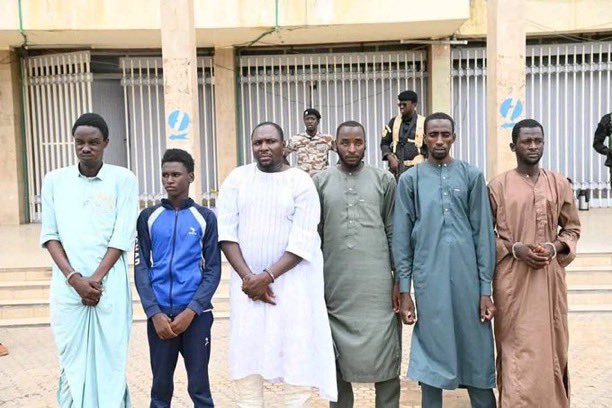
Chadian security forces have arrested Muslim Mohammed Yusuf, the 18-year-old son of late Boko Haram founder, Mohammed Yusuf, in a development that underscores the tightening grip of regional security cooperation against jihadist networks in the Lake Chad Basin.
The teenager, who initially presented himself under a false identity as Mustapha Bana Abubakar, was captured during a counter-terrorism sweep alongside five suspected accomplices. Among those taken into custody were Hassan Abdurrahman, alleged logistics aide; Abubakar Mohammed, believed to be a cell recruiter; Abubakar Ali Madou, said to have managed weapons and mobility; and Abdurrahman Mohammed Abdallah, a minor accused of participating in extremist operations.
While local authorities first treated the suspect as a low-level operative, Nigerian intelligence sources quickly flagged his true identity through the Multinational Joint Task Force (MNJTF). Security verification confirmed him as the younger brother of Habib Yusuf, alias Abu Mus’ab Al-Barnawi, the current leader of the Islamic State West Africa Province (ISWAP).
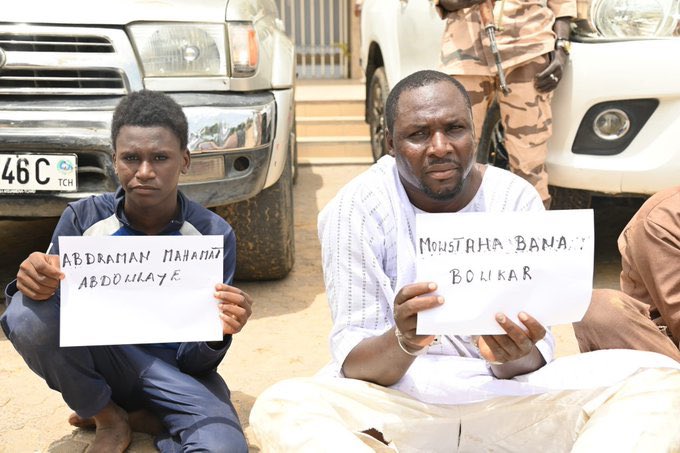
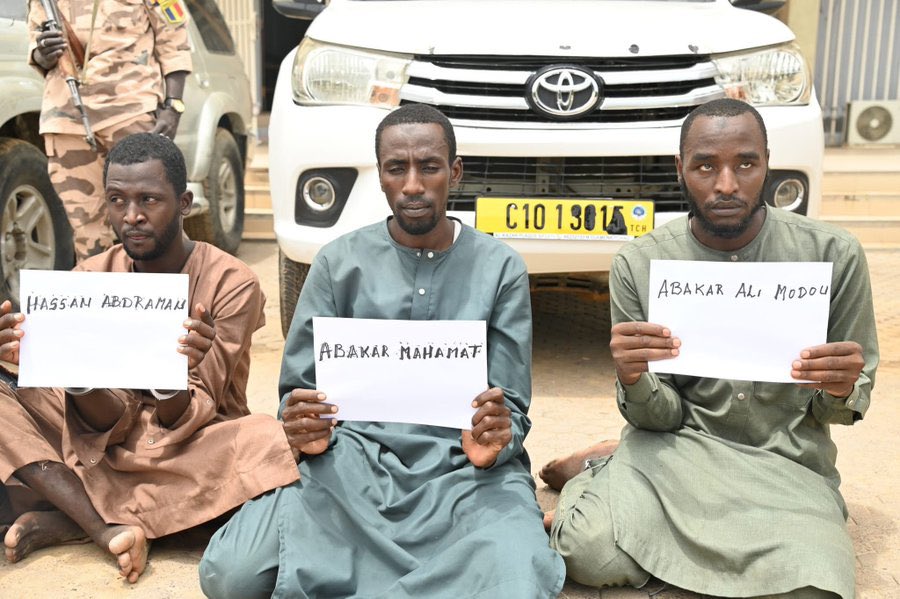
The arrest is seen as significant on several fronts. Firstly, it exposes how deep-rooted family ties within jihadist networks continue to fuel recruitment and operational resilience. Secondly, it highlights the effectiveness of intelligence sharing between Nigeria and Chad, long regarded as a critical but sometimes strained partnership in the fight against terrorism.
Boko Haram, founded by Mohammed Yusuf in 2002, fractured after his death in 2009, giving rise to splinter groups including ISWAP. Over the years, the insurgency has claimed tens of thousands of lives, displaced millions across Nigeria, Chad, Niger, and Cameroon, and left the Lake Chad region in a prolonged state of insecurity.
Security analysts suggest that the arrest of Yusuf’s son could serve as both a symbolic and operational blow. “It shows that even family connections at the top of the movement cannot shield individuals from capture. It’s a psychological victory as much as a tactical one,” one intelligence officer told First Weekly.
For now, Chadian authorities are said to be weighing extradition options, with Nigeria expected to push for custody of the high-profile detainee. If transferred, he could become a vital source of intelligence on ISWAP’s current structure and future plans.




-

 Society News5 years ago
Jamaican man beheads wife after finding out their 6 kids are not his
-
 Society News7 years ago
EXCLUSIVE: The Complete Story of Dolapo Awosika, John Fashanu and Prophet Kasali Sex Mess
-
 News6 years ago
Pastor Osagie Ize-Iyamu, His Membership Of Secret Cult, And Other Issues Touching On His Public Credentials Examined by Barr. PATRICK I. BIOSE
-

 News6 years ago
BREAKING: Ajimobi’s daughter-in-law blast Gov. Makinde, says gov can’t surpass ex-Oyo gov
-

 Society News6 years ago
The Rise and Fall of “Jumoke The Bread Seller”
-

 News6 years ago
BREAKING: 2 arrested as NAF begins investigations into Tolulope’s death
-

 Crime6 years ago
Exclusive: Female Aide Fingered In Oko Oloyun’s Murder + Banking Transactions That Nailed Husband
-

 News6 years ago
BREAKING: Police take over Edo House of Assembly as APC, Oshiomhole move to seize control


You must be logged in to post a comment Login