

News
CDS Musa Blames Land Disputes, Insider Collusion for Benue Killings


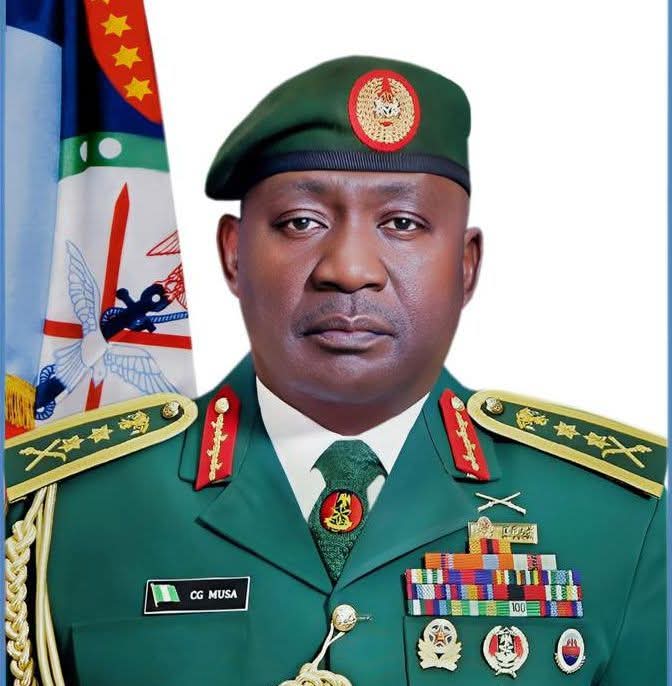
The Chief of Defence Staff, General Christopher Musa, has attributed the persistent killings in Benue State to a combination of land disputes, farmer-herder clashes, and insider collaboration with attackers.
Speaking during a visit to the state on Tuesday to assess the worsening security situation, General Musa said the crisis had claimed over 200 lives and displaced scores of residents in recent weeks. He stressed that while the military continues to engage armed groups, the root causes of the violence extend beyond the battlefield.
“These killings are not just about banditry or terrorism. There are deeper issues — land ownership conflicts, communal disagreements,” the Defence Chief said.
General Musa further expressed concern over reports of local complicity, noting that some members of affected communities were leaking sensitive information to attackers, thereby undermining security efforts.
“When some individuals from within leak information to the attackers, it compromises our work and puts everyone at risk,” he warned.
To tackle the crisis more effectively, General Musa advocated for a community-based approach to security. He proposed the recruitment and training of trusted local youth as vigilantes to work under the supervision of the military — a model he said had delivered positive results in the fight against insurgency in Borno State.
“Security can’t be sustained without the community playing its part. The people must be involved, informed, and committed,” he added.
His visit comes amid a renewed push by the federal government to end the bloodshed in Benue. President Bola Tinubu has directed Governor Hyacinth Alia to begin reconciliation dialogues among warring communities and charged service chiefs with restoring order in the region.
General Musa’s visit underscores the federal government’s broader effort to coordinate security operations and implement long-term peace-building strategies in one of Nigeria’s most volatile regions.




-

 Society News5 years ago
Jamaican man beheads wife after finding out their 6 kids are not his
-
 Society News7 years ago
EXCLUSIVE: The Complete Story of Dolapo Awosika, John Fashanu and Prophet Kasali Sex Mess
-

 News6 years ago
Pastor Osagie Ize-Iyamu, His Membership Of Secret Cult, And Other Issues Touching On His Public Credentials Examined by Barr. PATRICK I. BIOSE
-

 News6 years ago
BREAKING: Ajimobi’s daughter-in-law blast Gov. Makinde, says gov can’t surpass ex-Oyo gov
-

 Society News6 years ago
The Rise and Fall of “Jumoke The Bread Seller”
-

 News6 years ago
BREAKING: 2 arrested as NAF begins investigations into Tolulope’s death
-

 Crime6 years ago
Exclusive: Female Aide Fingered In Oko Oloyun’s Murder + Banking Transactions That Nailed Husband
-

 News6 years ago
BREAKING: Police take over Edo House of Assembly as APC, Oshiomhole move to seize control


You must be logged in to post a comment Login