

Cultural heritage
Wale Ojo-Lanre Urges Nigerian Government To Address Extortion Of Orisa Devotees In Brazil


—Veteran Journalist Cites Olaiya’s Exposé on Cultural Discrimination and Arbitrary Seizure of Sacred Items
Renowned tourism and cultural ambassador, Wale Ojo-Lanre, has called on the Federal Government of Nigeria to urgently initiate diplomatic dialogue with the Brazilian authorities in response to alarming reports of extortion and systemic harassment of Yorùbá traditional religion practitioners at Brazilian airports.
This urgent appeal follows a compelling investigative report by cultural journalist and traditional faith advocate, Adeyinka Olaiya, titled “Òrì?à-Customs Crackdown: Brazil Targets Yorùbá Charms and Ritual Materials at Airports – Demands Taxes from È?ù”, published on May 23, 2025, from São Paulo, Brazil.
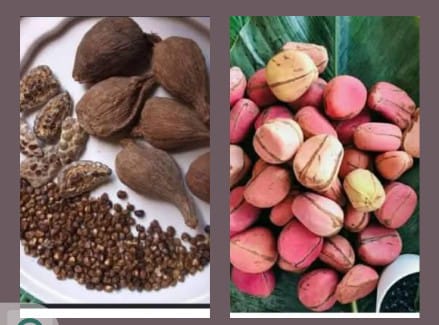
Olaiya’s article reveals an intensified campaign by Brazil’s Federal Police, through its Customs and Immigration Division, targeting spiritual materials belonging to Òrì?à adherents—primarily travelers from Nigeria. Confiscated items include sacred charms, ritual powders, animal parts used in Ifá divination, and consecrated symbols such as ?ku (rat), ?ja (fish), orógbó (bitter kola), àfo?? (ritual powder), olúgbòhùn (voice-calling charms), and òbí (kola nut).
“The issues raised are not mere bureaucratic concerns; they strike at the heart of cultural identity and spiritual freedom,” said Ojo-Lanre. “This is a direct affront to a revered religion practiced by millions. Our citizens should not face spiritual discrimination and economic extortion under the guise of customs regulation.”
Bàbáláwo Antônio Akinlabi, a respected Ifá priest in Bahia, expressed dismay in Olaiya’s report, stating: “Customs officials now treat spiritual items as contraband. But for decades, these objects have entered Brazil as part of spiritual and cultural exchanges.”
Brazilian authorities argue that the actions are part of a legal effort to regulate untaxed commercial activity, particularly with the growth of transnational Òrì?à-related businesses. However, scholars and religious leaders dispute this rationale. Dr. Maria dos Santos, anthropologist at the Federal University of Bahia, remarked: “These measures criminalize African spiritual traditions. The state isn’t just seizing objects—it is severing ties to ancestral heritage.”
The trade in Òrì?à-related items has grown into a multi-billion-dollar global industry, with many Brazilian practitioners themselves contributing to the demand. According to Bàbáláwo Tunde Alara, a Lagos-based exporter, “If the Nigerian government steps in and helps formalize this sector, we’re willing to pay fair taxes and follow regulations. What we oppose is criminalization.”
Ojo-Lanre urged immediate diplomatic action: “This matter transcends trade. It concerns cultural dignity, religious rights, and the preservation of ancestral practices that unite Nigeria and Brazil. The Nigerian government must swiftly engage its Brazilian counterparts to prevent further abuse and discrimination against our citizens.”
The crackdown has sparked outrage among Afro-Brazilian religious communities, many of whom are organizing national protests. As Ìyálòrì?à Regina Ogunbíyì of Rio de Janeiro asked in the report: “Would the government seize holy water from a Christian pilgrim? What they’re doing to Ifá and Òrì?à followers is blatant spiritual discrimination.”
Concluding his appeal, Ojo-Lanre emphasized: “Nigeria must not remain silent. Failure to act now risks abandoning our cultural ambassadors to humiliation and systemic bias. It is time for proactive diplomacy that upholds our values and the rights of our people—wherever they may be.”




-

 Society News5 years ago
Jamaican man beheads wife after finding out their 6 kids are not his
-
 Society News7 years ago
EXCLUSIVE: The Complete Story of Dolapo Awosika, John Fashanu and Prophet Kasali Sex Mess
-

 News6 years ago
Pastor Osagie Ize-Iyamu, His Membership Of Secret Cult, And Other Issues Touching On His Public Credentials Examined by Barr. PATRICK I. BIOSE
-

 News6 years ago
BREAKING: Ajimobi’s daughter-in-law blast Gov. Makinde, says gov can’t surpass ex-Oyo gov
-

 Society News6 years ago
The Rise and Fall of “Jumoke The Bread Seller”
-

 News6 years ago
BREAKING: 2 arrested as NAF begins investigations into Tolulope’s death
-

 Crime6 years ago
Exclusive: Female Aide Fingered In Oko Oloyun’s Murder + Banking Transactions That Nailed Husband
-

 News6 years ago
BREAKING: Police take over Edo House of Assembly as APC, Oshiomhole move to seize control


You must be logged in to post a comment Login