

News
UK Clamps Down on Care Worker Visas, Nigerians and Others Seeking UK Jobs Affected


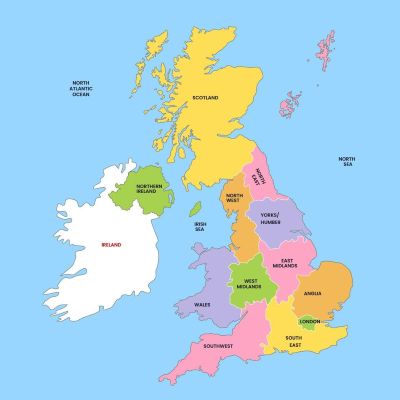
The UK government has announced plans to abolish the care worker visa route in the coming months, a move expected to impact thousands of Nigerians and other foreign nationals seeking employment in the UK’s health and social care sector.
Home Secretary Yvette Cooper said on Sunday that the care visa pathway—widely used by migrants—will be phased out as part of broader efforts to reduce overall immigration. The proposal will be outlined in a white paper to be released on Monday.
“This marks the end of a failed free-market experiment that enabled mass overseas recruitment,” Cooper told the BBC. She estimated the new measures could reduce annual immigration by around 50,000, although she declined to give a firm target for net migration. Speaking to Sky News, she added, “It should come down significantly more than 500,000.”
The crackdown follows significant local election gains by anti-immigration party Reform UK, which is now polling ahead of Labour. Labour leader Sir Keir Starmer has pledged to “restore control and cut migration” with new, tougher policies, assuring British workers: “I’ve got your back.”
The decision has sparked concern among care providers already struggling with staff shortages. Jane Townson, CEO of the Homecare Association, warned, “Where will these workers come from if neither the funding nor the migration route exists?”
While Cooper acknowledged the sector’s challenges, she urged providers to hire from the pool of 10,000 care workers already in the UK, some of whom she said were in inappropriate or substandard roles. She also announced plans for a “fair pay agreement” to address longstanding workforce issues in the care sector.
Shadow Home Secretary Chris Philp criticized the move as “a minor tweak,” accusing the Conservative government of acting too late after net migration peaked at over 900,000 in 2023.
Additional changes will tighten skilled worker visa requirements, limiting them to graduate-level roles, and restrict non-graduate visas to short-term jobs tied to specific industrial needs. While proposed restrictions on international students are less severe than expected, universities will be required to enforce stricter visa compliance.
Reform UK deputy leader Richard Tice labeled the government’s actions a failure, citing public outrage over immigration. He reiterated his call for a dedicated Department of Immigration.




-

 Society News5 years ago
Jamaican man beheads wife after finding out their 6 kids are not his
-
 Society News7 years ago
EXCLUSIVE: The Complete Story of Dolapo Awosika, John Fashanu and Prophet Kasali Sex Mess
-

 News6 years ago
Pastor Osagie Ize-Iyamu, His Membership Of Secret Cult, And Other Issues Touching On His Public Credentials Examined by Barr. PATRICK I. BIOSE
-

 News6 years ago
BREAKING: Ajimobi’s daughter-in-law blast Gov. Makinde, says gov can’t surpass ex-Oyo gov
-

 Society News6 years ago
The Rise and Fall of “Jumoke The Bread Seller”
-

 News6 years ago
BREAKING: 2 arrested as NAF begins investigations into Tolulope’s death
-

 Crime6 years ago
Exclusive: Female Aide Fingered In Oko Oloyun’s Murder + Banking Transactions That Nailed Husband
-

 News6 years ago
BREAKING: Police take over Edo House of Assembly as APC, Oshiomhole move to seize control


You must be logged in to post a comment Login