

Featured
Global Praise, Local Pain


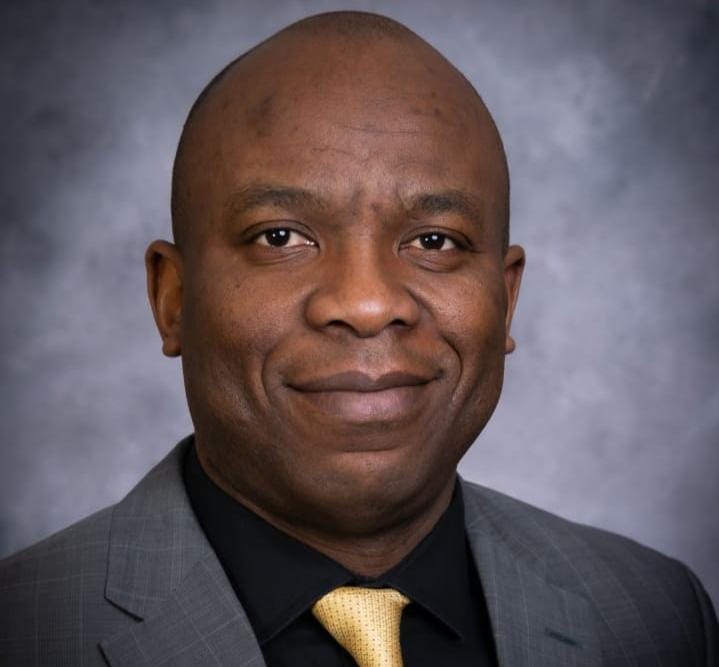
By Abidemi Adebamiwa
The World Bank has admitted that poverty in Nigeria rose alongside the reforms it recommended. Yet it still insists the country should “stay the course.” At the same time, some supporters argue Nigeria is now being praised globally as a reform example.
That should make us think carefully.
Reform itself isn’t the problem. Every serious economy reforms, but reform must answer one question: whom does it serve?
If subsidy removal and exchange rate reforms strengthen the economy, why do ordinary Nigerians feel weaker? FAAC allocations grew in reality, but where are these allocations? Was it the astronomically increased inflation, the giant that swallowed them? To me, I’d think it’s mismanagement and inflation. And if debt repayment looks better on paper, why are families struggling to afford food?
Macroeconomic numbers can look plausible while households quietly fall apart or suffer. GDP can rise, debt payments can be on time. But none of that matters if the market trader, civil servant, or small business owner is barely surviving.
Being called a “global example” is pretty flattering. But come to think of it, what example? Fiscal discipline and loan repayment? That’s fine for lenders. But governance should definitely not be a creditor showcase.
One thing people should understand is that the Bank ensures loans are repaid. Nigeria’s first duty, however, is to its citizens.
Look at China. Its reforms lifted more than 500 million people out of poverty. These reforms were gradual, and they focused on production and jobs. China’s poverty reduction wasn’t a side effect but its main goal.
Nigeria’s reform, on the other hand, feels like adjustment without protection. If reforms are increasing poverty, asking hard questions isn’t disloyal; it’s necessary.
Abidemi is the Managing Editor @ Newspot Nigeria.




-

 Society News5 years ago
Jamaican man beheads wife after finding out their 6 kids are not his
-
 Society News7 years ago
EXCLUSIVE: The Complete Story of Dolapo Awosika, John Fashanu and Prophet Kasali Sex Mess
-
 News6 years ago
Pastor Osagie Ize-Iyamu, His Membership Of Secret Cult, And Other Issues Touching On His Public Credentials Examined by Barr. PATRICK I. BIOSE
-

 News6 years ago
BREAKING: Ajimobi’s daughter-in-law blast Gov. Makinde, says gov can’t surpass ex-Oyo gov
-

 Society News6 years ago
The Rise and Fall of “Jumoke The Bread Seller”
-

 News6 years ago
BREAKING: 2 arrested as NAF begins investigations into Tolulope’s death
-
 Crime6 years ago
Exclusive: Female Aide Fingered In Oko Oloyun’s Murder + Banking Transactions That Nailed Husband
-
 News6 years ago
BREAKING: Police take over Edo House of Assembly as APC, Oshiomhole move to seize control


You must be logged in to post a comment Login