

Featured
Presuming Innocence Is the Court’s Job, Proving Guilt Is The EFCC’s


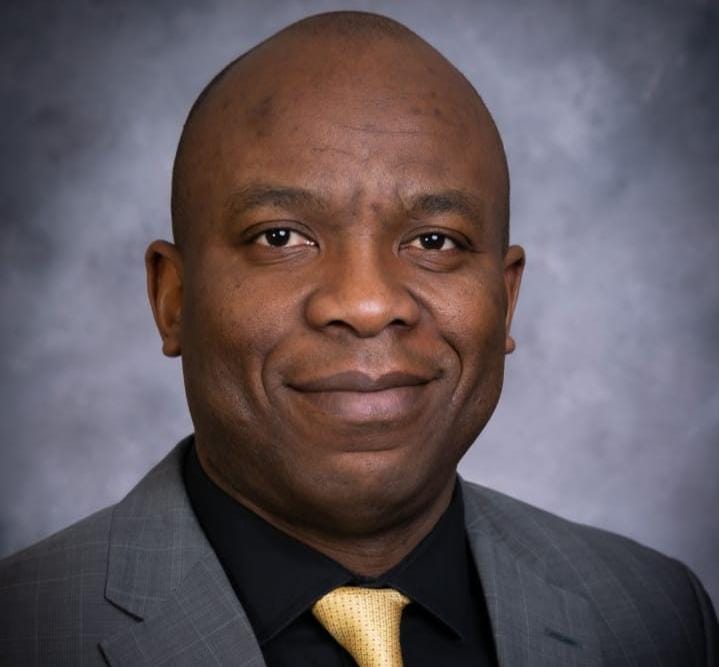
By Abidemi Adebamiwa
When the EFCC first addressed the Yahaya Bello matter publicly, it went out of its way to remind Nigerians that he is presumed innocent until proven guilty and that his case is still in court. That position was later repeated on television, with assurances that the commission is presenting witnesses and evidence and that nothing has gone amiss.
Legally, that statement is correct. Institutionally, it is unnecessary.
The EFCC is not on trial. Its cases are. And the moment a law-enforcement agency begins to sound like it is defending its process in public, it quietly shifts from prosecution into explanation, and from enforcement into reassurance.
That is not its job.
A prosecuting agency should never feel compelled to repeatedly emphasize the presumption of innocence of a defendant it has charged. That obligation belongs to the courts. The EFCC’s obligation is far simpler and far tougher, to prove its case.
In real terms, the EFCC operates on a working assumption that the charges it filed are justified. That is not a violation of rights. It is the very basis of criminal prosecution. Investigators investigate because they believe an offence has been committed. Prosecutors prosecute because they believe they can prove it. If that belief does not exist, there should be no case.
The court, on the other hand, approaches the matter from the opposite direction. Its duty is to presume innocence until guilt is established beyond reasonable doubt. That separation of roles is deliberate. It protects justice.
When prosecutors begin to publicly stress innocence during an ongoing trial, roles blur. The EFCC starts to sound like a spokesperson for the accused, or worse, like an institution pre-emptively defending its own performance.
If the EFCC never stepped into spokesperson mode, it would never need to explain why a case is taking time, why witnesses are still being called, or why the outcome has not yet arrived. The courtroom is where its work is assessed, not television studios.
Strong institutions speak less and prosecute better.
Nigeria does not need an EFCC that reassures the public. Nigeria needs an EFCC that builds airtight cases and lets judges do the talking.
Abidemi Adebamiwa is the Managing Editor @ Newspot Nigeria.




-

 Society News5 years ago
Jamaican man beheads wife after finding out their 6 kids are not his
-
 Society News7 years ago
EXCLUSIVE: The Complete Story of Dolapo Awosika, John Fashanu and Prophet Kasali Sex Mess
-

 News6 years ago
Pastor Osagie Ize-Iyamu, His Membership Of Secret Cult, And Other Issues Touching On His Public Credentials Examined by Barr. PATRICK I. BIOSE
-

 News6 years ago
BREAKING: Ajimobi’s daughter-in-law blast Gov. Makinde, says gov can’t surpass ex-Oyo gov
-

 Society News6 years ago
The Rise and Fall of “Jumoke The Bread Seller”
-

 News6 years ago
BREAKING: 2 arrested as NAF begins investigations into Tolulope’s death
-

 Crime6 years ago
Exclusive: Female Aide Fingered In Oko Oloyun’s Murder + Banking Transactions That Nailed Husband
-

 News6 years ago
BREAKING: Police take over Edo House of Assembly as APC, Oshiomhole move to seize control


You must be logged in to post a comment Login