

Business News
Presidency Urges Calm As Row Deepens Over Alleged Alteration Of Nigeria’s New Tax Laws


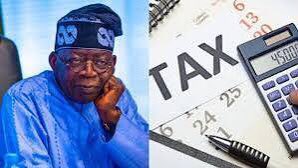
The Presidency has called for restraint amid growing controversy over claims that provisions of Nigeria’s newly signed tax reform laws were altered after their passage by the National Assembly, insisting that President Bola Ahmed Tinubu signed only the harmonised bills formally transmitted to him by lawmakers.
Addressing the issue on Channels Television on Monday, Chairman of the Presidential Fiscal Policy and Tax Reforms Committee, Taiwo Oyedele, said the Presidency does not keep an independent copy of the versions passed by the National Assembly and therefore cannot directly compare them with the gazetted laws.
“The official harmonised bills certified by the clerk and sent to the president are what he signed. We don’t have another copy to compare,” Oyedele said, stressing that only the National Assembly can authoritatively confirm what was transmitted to the executive.
The dispute was triggered by allegations from a member of the House of Representatives, Abdulsamad Dasuki, who claimed there were discrepancies between the bills passed by parliament and the versions later gazetted. The claims have since been amplified by prominent opposition figures, including former Vice-President Atiku Abubakar and Labour Party presidential candidate Peter Obi, who have called for the suspension of the laws over alleged forgery.
Oyedele dismissed media reports suggesting conclusive evidence of alterations, noting that they did not emanate from the House committee set up to investigate the matter. He clarified that some controversial provisions being circulated were contained in draft gazettes and working documents, not in the final gazetted laws.
He urged Nigerians to await the outcome of the House of Representatives’ investigation, cautioning against drawing conclusions that could undermine confidence in the legislative process.
President Tinubu recently signed four major tax reform bills into law—the Nigeria Tax Act, Nigeria Tax Administration Act, Nigeria Revenue Service (Establishment) Act, and the Joint Revenue Board (Establishment) Act—despite objections from some lawmakers, particularly from the northern part of the country.
According to the Presidency, the reforms are designed to simplify tax compliance, broaden the tax base, eliminate inefficiencies, and modernise revenue collection across the country as part of wider efforts to stabilise Nigeria’s economy.




-

 Society News5 years ago
Jamaican man beheads wife after finding out their 6 kids are not his
-
 Society News7 years ago
EXCLUSIVE: The Complete Story of Dolapo Awosika, John Fashanu and Prophet Kasali Sex Mess
-
 News6 years ago
Pastor Osagie Ize-Iyamu, His Membership Of Secret Cult, And Other Issues Touching On His Public Credentials Examined by Barr. PATRICK I. BIOSE
-

 News6 years ago
BREAKING: Ajimobi’s daughter-in-law blast Gov. Makinde, says gov can’t surpass ex-Oyo gov
-

 Society News6 years ago
The Rise and Fall of “Jumoke The Bread Seller”
-

 News6 years ago
BREAKING: 2 arrested as NAF begins investigations into Tolulope’s death
-
 Crime6 years ago
Exclusive: Female Aide Fingered In Oko Oloyun’s Murder + Banking Transactions That Nailed Husband
-

 News6 years ago
BREAKING: Police take over Edo House of Assembly as APC, Oshiomhole move to seize control


You must be logged in to post a comment Login