

Opinion
AYO OKE: A Patriot Sabotaged By Zealousness


By
Olabode Opeseitan
In early 2017, Ambassador Ayodele Oke was thinking the way intelligence chiefs must: laterally, covertly, three moves ahead.
As Director General of the National Intelligence Agency, he had conceived a project—part of a cash-based architecture intended to support sensitive operations in environments where digital banking could be risky.
The proposal ascended through proper channels. According to intelligence-community accounts, the funds were approved as a covert operations budget. The operation was proceeding as planned.
But in an era of percentage-based whistleblower rewards, the informants squealed, and the whole careful architecture collapsed.
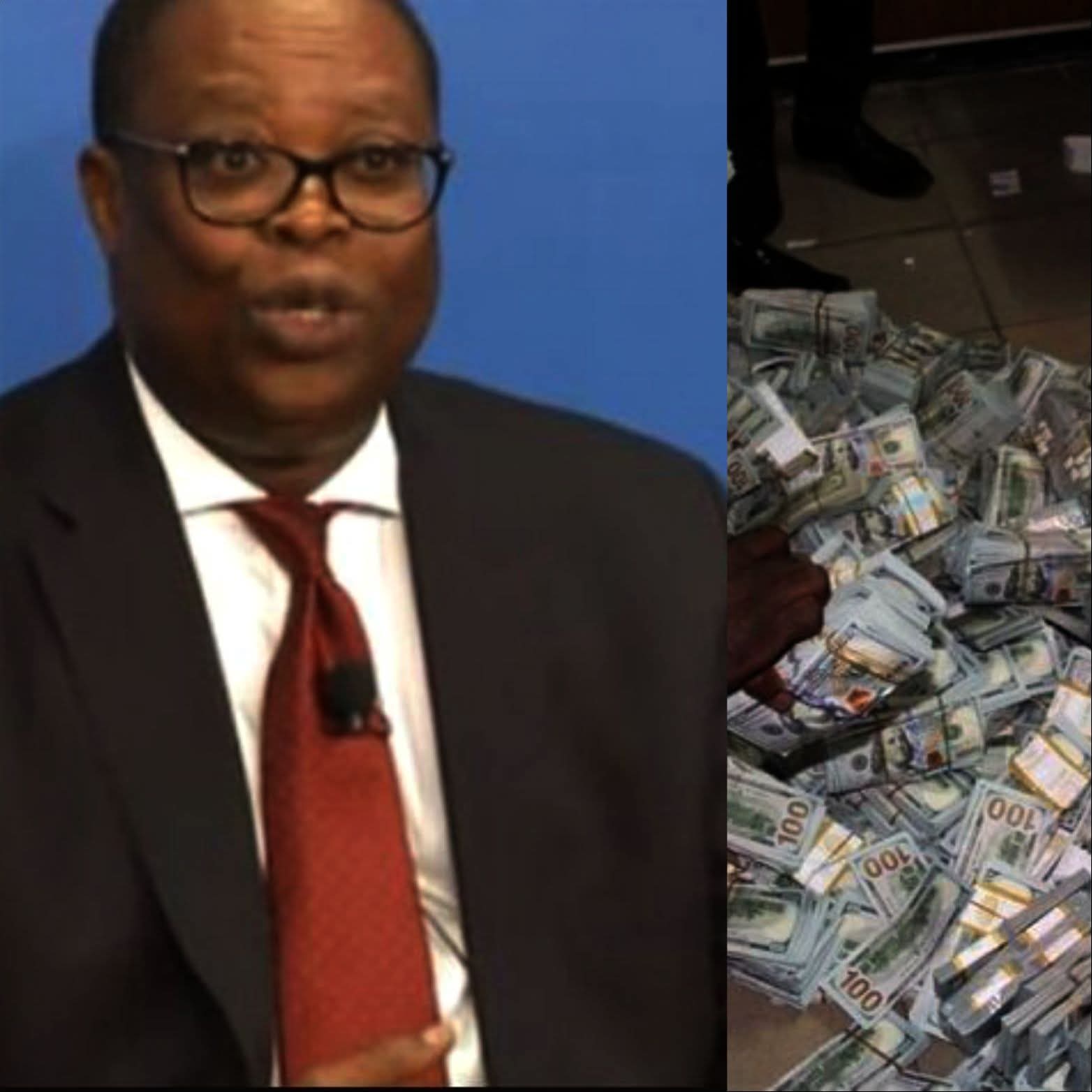
Rather than probe quietly, another agency descended on the coded location in Ikoyi, cameras in tow. They found $43 million, £27,800, and N23 million in what Oke described as a safe house.
The media trial was swift, yet the fund was part of the $289 million the NIA received in cash from NAPIMS/CBN in 2015 for “special operations.”
On 30 October 2017, President Muhammadu Buhari dismissed Oke after receiving the report of the Osinbajo-led investigative panel.
The EFCC later filed money-laundering charges against Oke and his wife over the Ikoyi cash.
In June 2023, the EFCC applied to withdraw the criminal case, and the Federal High Court in Lagos struck it out. Reports stated that Buhari had approved termination of the case on national-security grounds before leaving office, acknowledging what intelligence professionals had known all along.
But the project Oke had conceived? It died in the glare of premature exposure, and with it, perhaps, intelligence capabilities Nigeria still cannot afford to lose.
President Tinubu’s decision to nominate Oke as ambassador carries weight beyond rehabilitation. It is a signal that professional competence, once vindicated, deserves restoration.
Oke, an Emory University-trained economist who had served as Nigeria’s envoy to the Commonwealth Secretariat before rising to lead the NIA, joins retired Colonel Lateef Kayode Are and Ambassador Amin Mohammed Dalhatu in what may become a pattern: reclaiming public servants discarded by overreach or miscalculation.
The question worth asking is how many others exist in this shadow category—professionals retired in their prime by overzealousness or political mischief, their expertise wasting while the nation hungers for institutional capacity.
Some were security chiefs who understood how to navigate national and international intelligence networks.
Others were technocrats who had built systems before partisan winds shifted. They remain, most of them under sixty-five, still capable of contributing to a country that can ill afford to lose what it has already paid to train.
What if the Federal Government convened a Presidential Review Panel for Wrongful Terminations in Public Service? Not a whitewash commission, but a body with clear criteria: evidence of exoneration, professional competence, and specific roles where their expertise addresses current gaps.
The panel could work quietly, conducting due diligence while identifying positions—in diplomacy, intelligence coordination, infrastructure oversight, economic planning—where restored officials might serve without fanfare. This is not about revenge appointments; it is about national efficiency.
Oke’s case illuminates the hidden cost of institutional amnesia. When we discard professionals before verifying the charges against them, we don’t just damage individual careers—we interrupt the continuity of knowledge that makes governments function.
Intelligence work, particularly, depends on relationships built over decades, on knowing which Abuja contact can reach which Niamey source. These networks don’t regenerate overnight.
By nominating Oke, Tinubu has done more than correct a personal injustice. He has posed a challenge to how Nigeria treats its public servants in an era of whistleblower incentives and media-trial governance.
The real test will be whether this gesture becomes a policy—whether all exonerated professionals receive similar consideration, and whether we build mechanisms to prevent future cases where zeal trumps due process.
In intelligence, they say the best operations are the ones nobody hears about. The same might be true of rehabilitation.
If Oke’s ambassadorial service proceeds unremarkably—if his expertise finds quiet use in advancing Nigeria’s interests abroad—that will be the vindication that matters. Not the noise of his dismissal, but the productive silence of his return.
#Tinubu
#AyoOke
#Nigeria
#Lagos
#NIA
#EmoryUniversity




-

 Society News5 years ago
Jamaican man beheads wife after finding out their 6 kids are not his
-
 Society News7 years ago
EXCLUSIVE: The Complete Story of Dolapo Awosika, John Fashanu and Prophet Kasali Sex Mess
-
 News6 years ago
Pastor Osagie Ize-Iyamu, His Membership Of Secret Cult, And Other Issues Touching On His Public Credentials Examined by Barr. PATRICK I. BIOSE
-

 News6 years ago
BREAKING: Ajimobi’s daughter-in-law blast Gov. Makinde, says gov can’t surpass ex-Oyo gov
-

 Society News6 years ago
The Rise and Fall of “Jumoke The Bread Seller”
-

 News6 years ago
BREAKING: 2 arrested as NAF begins investigations into Tolulope’s death
-
 Crime6 years ago
Exclusive: Female Aide Fingered In Oko Oloyun’s Murder + Banking Transactions That Nailed Husband
-

 News6 years ago
BREAKING: Police take over Edo House of Assembly as APC, Oshiomhole move to seize control


You must be logged in to post a comment Login