

Featured
Ambassadorial Appointments: How Tinubu Used Strategic Restraint to Guide Nigeria Through Devastating Storm


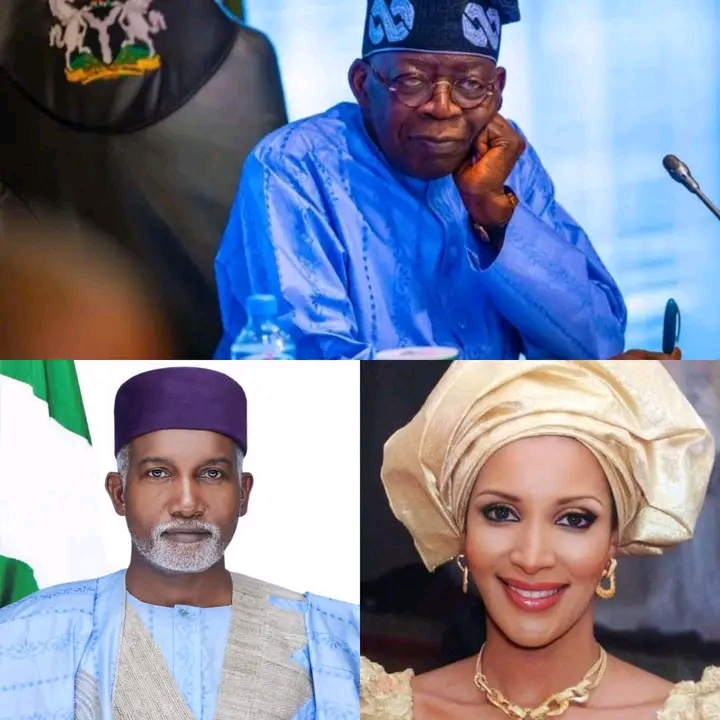
Olabode Opeseitan
What would you do if, on assuming office as President, you inherited a nation gripped by debt overhang, collapsing infrastructure, and a net foreign reserve so thin it could barely sustain essential imports for a few weeks? What if you faced a mountain of urgent obligations—clearing foreign exchange backlogs, stabilizing the currency, reviving oil production, and sourcing about $1 billion to pay foreign service arrears, replace ageing diplomatic vehicles, and renovate 103 missions abroad?
Even conventional wisdom knows: when a pyramid of felled trees blocks the dawn, you begin clearing from the top. That is the logic President Bola Ahmed Tinubu embraced—not out of neglect, but necessity.
DIPLOMACY DEFERRED, SOVEREIGNTY PRESERVED
In September 2023, Tinubu recalled all Nigerian heads of mission from 76 embassies, 22 high commissions, and 11 consulates—a sweeping reset of Nigeria’s diplomatic posture. But what followed was not a rush to reappoint. It was a deliberate pause, shaped by economic reality and strategic foresight.
• Missions were overseen by career officers, preserving continuity while avoiding the financial strain of full ambassadorial deployment.
• Renovations and ceremonial overheads were deferred, freeing up resources for macroeconomic stabilization.
• Ambassadorial vetting was rigorous, ensuring nominees aligned with Nigeria’s evolving foreign policy priorities.
This was not indecision. It was economic triage with geopolitical clarity. Tinubu understood that appointing ambassadors without funding their missions would be diplomatically hollow and fiscally reckless.
STRATEGIC AUSTERITY, TACTICAL GAINS
Tinubu’s panoramic view of Nigeria’s finances revealed a nation in urgent need of stabilization. Rather than paper over the crisis with diplomatic fanfare, he chose to:
• Stabilize the economy first, clearing FX backlogs and restoring investor confidence.
• Ramp up oil production, which surged from 1 million to about 1.6 million barrels per day, boosting revenue and foreign exchange inflow.
• Delay ambassadorial appointments, not as an oversight, but as a calculated move to preserve national credibility.
This was not austerity for its own sake. It was purposeful frugality, anchored in national survival.
THE RECIPROCITY IMPERATIVE: A Diplomatic Reality Check
Yet, even strategic restraint has its limits. In diplomacy, reciprocity is not just etiquette—it is expectation. Countries with full diplomatic presence in Nigeria may have felt their goodwill was not fully reciprocated. The absence of substantive envoys in key missions—especially in strategic capitals—risks signaling disengagement, even when the underlying reasons are understood.
Global best practice demands that economic prudence must eventually give way to diplomatic presence. As Nigeria turns the corner—meeting its forex obligations, reviving oil output, fixing its infrastructures, and restoring global confidence—the time has come to reassert its voice abroad.
The recently disclosed cleanup of the envoy list, the 2025 budgetary allocations for postings and renovations, and the President’s reported directive to prioritize major countries all signal readiness. The delay must not extend beyond necessity. Diplomacy, like leadership, thrives on timing.
TINUBU’S SAGACITY IN GLOBAL CONTEXT
His (Tinubu’s) restraint mirrors the strategic wisdom of two global icons:
LEE KUAN YEW (Singapore)
• Deferred broad diplomatic expansion in Singapore’s early years, concentrating first on economic viability and national stability.
• Built a foreign service that emphasized competence and strategic partnerships, ensuring each move abroad reinforced the country’s long-term security and development over ceremonial presence.
ANGELA MERKEL (Germany)
• Renowned for her fiscal conservatism and commitment to steady, long-term solutions, especially during financial crises.
• Consistently resisted pressure for rapid, high-profile action, making stability and credibility the hallmarks of Germany’s global engagement under her leadership.
Tinubu’s approach belongs in this league—not for mimicry, but for mastery.
FINAL WORD: The Quiet Genius of Strategic Restraint
In diplomacy, timing is everything. Tinubu’s decision to delay ambassadorial appointments was not a retreat—it was a recalibration. He understood that dignity abroad begins with discipline at home, and that a nation must first survive before it can shine.
Now, as Nigeria re-emerges on the global stage, it must do so with full diplomatic presence, strategic clarity, and earned respect. The envoys will come. The flags will fly. But they will do so on the foundation of prudence, patience, and purposeful leadership.
This is not just diplomacy—it is a nation’s destiny, reimagined.
#Nigeria #DiplomacyMatters #StrategicLeadership #FrugalGovernance #NigeriaInTheWorld #EconomicTurnaround #TinubuDoctrine #DiplomatsAndDestiny
NOTE: This analysis reflects my independent perspective, based on my personal reading of the situation.




-

 Society News5 years ago
Jamaican man beheads wife after finding out their 6 kids are not his
-
 Society News7 years ago
EXCLUSIVE: The Complete Story of Dolapo Awosika, John Fashanu and Prophet Kasali Sex Mess
-
 News6 years ago
Pastor Osagie Ize-Iyamu, His Membership Of Secret Cult, And Other Issues Touching On His Public Credentials Examined by Barr. PATRICK I. BIOSE
-

 News6 years ago
BREAKING: Ajimobi’s daughter-in-law blast Gov. Makinde, says gov can’t surpass ex-Oyo gov
-

 Society News6 years ago
The Rise and Fall of “Jumoke The Bread Seller”
-

 News6 years ago
BREAKING: 2 arrested as NAF begins investigations into Tolulope’s death
-
 Crime6 years ago
Exclusive: Female Aide Fingered In Oko Oloyun’s Murder + Banking Transactions That Nailed Husband
-

 News6 years ago
BREAKING: Police take over Edo House of Assembly as APC, Oshiomhole move to seize control


You must be logged in to post a comment Login