

News
How the Landmark Waterview Scandal Exposes Nigeria’s Real Estate Nightmare as FCCPC Reacts


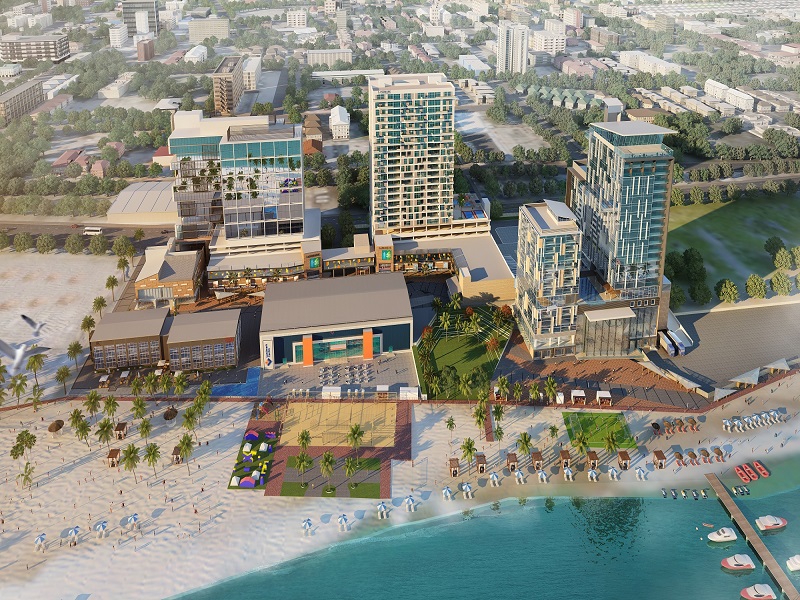
The unfolding Landmark Waterview scandal has peeled back the layers of a troubling reality within Nigeria’s real estate sector—one marked by fraud, weak regulation, and dashed hopes.
Launched in 2019, the luxury waterfront development was marketed as a premium residential haven along the coveted Water Corporation Road in Oniru, Lagos. For hundreds of Nigerians, it represented a dream investment—one many funded with their life savings.
That dream has since collapsed.
The controversy intensified in January 2025 after parts of Landmark Beach—a thriving leisure destination owned by Paul Onwuanibe—were demolished to pave way for the Lagos–Calabar coastal highway. Onwuanibe alleged that the Federal Government destroyed assets worth roughly $200 million. The government, however, dismissed the claims, insisting that only makeshift structures were affected and that no compensation was due.
Amid this dispute, buyers of the Landmark Waterview Apartments say they have been abandoned. They allege they have neither received the properties they paid for nor been refunded their money. With the project originally slated for completion in 2025, delays and allegations of financial mismanagement have fueled public frustration.
Some buyers further claim that Landmark Africa diverted their funds to other projects, including the renovation of the Nike Lake Resort in Enugu. These allegations highlight the systemic risks embedded in Nigeria’s off-plan property market, where developers routinely commingle funds across multiple projects—often at the expense of unsuspecting buyers.
Consumer rights advocates are now renewing calls for stronger protections, including mandatory escrow accounts to ensure that off-plan payments are used solely for the project intended.
Despite aggressively promoting the Waterview project across social media, Landmark Africa has yet to issue a comprehensive public statement addressing the accusations. While the company has cited the beach demolition as a major setback, buyers insist that the incident has no direct connection to the residential project and cannot justify the prolonged non-delivery.
With many affected investors now weighing joint legal action, the crisis continues to spark heated national debate. Some accuse government agencies of stifling private sector investments, while others demand sweeping reforms to safeguard property buyers from predatory practices.
Responding to the public outcry, the Director of Corporate Affairs at the Federal Competition and Consumer Protection Commission (FCCPC), Ondaje Ijagwu, said the Commission is poised to investigate all contentious issues.
According to him:
“Consumers are encouraged to continue reporting violations through the FCCPC complaint portal—complaints.fccpc.gov.ng—or through our zonal and state offices. Every report assists the Commission in identifying systemic issues and enforcing compliance.”
FCCPC’s Executive Vice Chairman/CEO, Dr. Tunji Bello, also recently emphasized the Commission’s renewed resolve to protect consumer rights. Speaking on updated complaint data across key sectors, he noted:
“These numbers are not just statistics; they tell the story of consumer frustration and the daily challenges Nigerians face. The FCCPC is determined to hold businesses accountable, ensure compliance with the FCCPA, and promote fair market practices that protect all consumers.”
The Landmark Waterview scandal now stands as a stark cautionary tale—a glaring example of the deep-rooted governance, regulatory, and ethical challenges in Nigeria’s real estate industry. And as thousands of Nigerians wait anxiously, the question remains: Will their investments ever materialize?




-

 Society News5 years ago
Jamaican man beheads wife after finding out their 6 kids are not his
-
 Society News7 years ago
EXCLUSIVE: The Complete Story of Dolapo Awosika, John Fashanu and Prophet Kasali Sex Mess
-

 News6 years ago
Pastor Osagie Ize-Iyamu, His Membership Of Secret Cult, And Other Issues Touching On His Public Credentials Examined by Barr. PATRICK I. BIOSE
-

 News6 years ago
BREAKING: Ajimobi’s daughter-in-law blast Gov. Makinde, says gov can’t surpass ex-Oyo gov
-

 Society News6 years ago
The Rise and Fall of “Jumoke The Bread Seller”
-

 News6 years ago
BREAKING: 2 arrested as NAF begins investigations into Tolulope’s death
-

 Crime6 years ago
Exclusive: Female Aide Fingered In Oko Oloyun’s Murder + Banking Transactions That Nailed Husband
-

 News6 years ago
BREAKING: Police take over Edo House of Assembly as APC, Oshiomhole move to seize control


You must be logged in to post a comment Login