

Featured
TIDE OF BLOOD: A CHRONICLE OF FULANI-LINKED BANDIT ATTACKS IN BENUE, PLATEAU AND CENTRAL NIGERIA — VICTIMS, NAMES, AND AN URGENT CALL TO THE INTERNATIONAL COMMUNITY


By Marshall Israel, Public Affairs Analyst
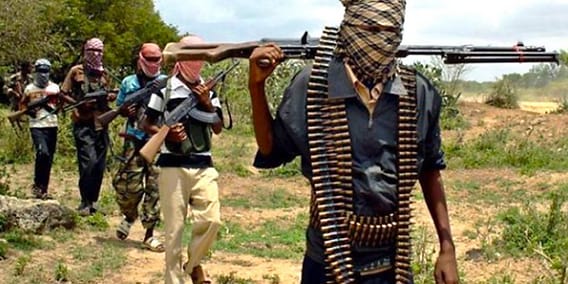
Between late 2023 and mid-2025, a wave of brutal attacks—attributed by survivors, local leaders, and rights groups to heavily armed herders and Fulani-identified militia—has devastated farming communities across Nigeria’s Middle Belt. Entire villages have been razed, families burned alive in their homes, and hundreds killed and wounded. The pattern is now familiar: night raids on farming settlements; victims shot or burned inside houses; mass displacement; and official investigations that many survivors describe as too slow or limited.
I write as a Nigerian, a former Federal Commissioner, and a public affairs analyst who has watched with deep pain the recurring massacres of innocent civilians in Benue, Plateau, Taraba, Nasarawa, and adjoining states of Nigeria’s Middle Belt — a crisis that has persisted with devastating human consequences.
Between 2023 and 2025, hundreds of villages across these states have been attacked by armed Fulani militia and bandit groups—often arriving on motorcycles or in trucks, burning homes, killing residents, and displacing entire communities. These attacks, documented by Amnesty International, Human Rights Watch, and numerous local organizations, have resulted in thousands of deaths and widespread displacement.
A recent Amnesty investigation found at least 6,896 killed in Benue State over a two-year span, and 2,630 in Plateau State, among just the states covered.¹
The Nigerian authorities have repeatedly condemned these atrocities but have failed to ensure deterrent justice. Many communities continue to live under siege, with survivors losing faith in protection and accountability mechanisms.
1. Recent Major Incidents (Selected, Verified Reporting)
Yelewata (Guma LGA), Benue State — 13–14 June 2025:
Amnesty International and other monitors reported an attack in which at least 100 people were killed, with dozens missing, hundreds injured, and many houses burned.² Survivors and activists have produced lists naming many of the dead; community-compiled lists circulating in local media and online name scores of victims by family. Officials confirmed the attack took place but gave lower initial casualty counts—a pattern survivors say undercounts the scale of the tragedy.³
Zike / Kimakpa (Bassa LGA), Plateau State — April 2025:
Multiple coordinated night raids on farming communities reportedly killed dozens (40–56 deaths in different incidents). Local reporting and rights groups document children and the elderly among the dead, while rescue and health services struggled to reach survivors.¹
Karim Lamido (Taraba State) — 24 May 2025:
Coordinated attacks attributed to itinerant herders left dozens dead (about 42 fatalities), destroyed many homes, and displaced thousands—including members of Christian congregations, according to local church groups.? ?
Each of these attacks follows a chillingly similar pattern: premeditated, systematic, and executed with military-grade weapons. The continued impunity emboldens perpetrators and deepens ethnic and religious divisions across the region.
2. Names — The Human Cost (Representative Lists Published by Local Media and Community Groups)
Community lists and local newspapers have compiled names of many victims—not to sensationalize, but to give the dead back their names. Below are representative names drawn from publicly posted lists circulating in Nigerian media and verified by local outlets:
From the published list of victims of the Yelewata attack (community/press compilation): Torsaar Adam; Doose Adam; Nguyilan Adam; Lydia Ajah; Terdoo Ajah — examples from a longer, community-compiled roll of the dead.
From the Plateau (Zike / Kimakpa) reporting and the BusinessDay compilation of victims killed in the April attacks, some named victims include Naomi Ezekiel Gana (a survivor who lost her husband) and many others whose full names were published by local newspapers and youth councils after mass burials and verification efforts.
3. What Survivors and Rights Groups Say
Survivors describe attackers arriving on motorcycles and in trucks, striking at night, burning homes, and shooting residents who tried to flee. Amnesty International, Christian organizations, and human-rights groups report bodies burned beyond recognition and local clinics overwhelmed with the wounded.² ³
Community leaders report mass graves and large numbers of displaced families. Local campaigners and international NGOs warn of a widening humanitarian emergency—tens of thousands displaced, crops lost ahead of planting or harvest seasons, and growing food insecurity if communities cannot return safely to their land.
4. Why This Is Occurring (Reported)
Analysts cite a mix of immediate and structural drivers: climate change and shrinking grazing routes; competition over land and water between herders and farmers; weak local policing and impunity for armed groups; ethnic and religious tensions that turn agricultural disputes into communal violence; and organized criminal networks that sometimes align with or co-opt pastoralist grievances. Whatever the mix of causes, the result is the same: civilians are paying the price.?
5. What Needs to Happen — A Clear, Practical International Ask
The scale and persistence of these attacks demand urgent, coordinated international attention. I call on the international community—the United Nations, the African Union, donor states, humanitarian agencies, and international human-rights organizations—to take the following actions now:
a) Independent, transparent investigations: Support impartial investigations into major incidents (Yelewata, Zike, Karim Lamido, and others) and insist that findings be made public and perpetrators prosecuted under Nigerian law—or, if Nigerian authorities fail, under applicable international mechanisms.
b) Immediate humanitarian relief and protection: Mobilize emergency medical teams, food assistance, and temporary shelters for displaced families; create safe humanitarian corridors; and support local NGOs already on the ground.
c) Targeted diplomatic pressure and conditional assistance: Use diplomatic channels and aid conditionality to press the Nigerian government for concrete security plans that protect communities (not only military responses), improved early-warning systems, and accountability for security-force failures.
d) Support for community reconciliation and land-use planning: Back long-term programs that restore grazing corridors, support sustainable pastoralism, invest in water infrastructure, and fund participatory land-use planning so that farmers and herders can coexist peacefully.
e) Document and preserve testimony: International human-rights bodies should help ensure survivor testimony and victim lists are professionally collected and preserved for future justice processes.
The children, parents, farmers, and elders whose names are now being circulated in local lists are not statistics. Torsaar Adam, Lydia Ajah, Naomi Ezekiel Gana, and many others represent communities that have lost entire family lines. Their names demand more than outrage—they demand action.
These attacks are not isolated criminal incidents; they amount to systematic assaults on civilian populations that may meet the threshold of crimes against humanity under international law.
The people of Benue, Plateau, and other affected states deserve justice, security, and dignity. The international community must act—not out of charity, but out of duty to uphold the global principles of human rights and the sanctity of human life.
References
- Amnesty International — “Nigeria: Mounting death toll and looming humanitarian crisis amid unchecked attacks by armed groups.” (Published May 20, 2025) https://www.amnesty.org/en/latest/news/2025/05/nigeria-mounting-death-toll-unchecked-attacks-armed-groups
- Al Jazeera — “At least 100 people killed in gunmen attack in Nigeria: Rights group.” (June 14, 2025) https://www.aljazeera.com/news/2025/6/14/at-least-100-people-killed-in-gunmen-attack-in-nigeria-rights-group
- Reuters — “Charred bodies, shattered lives after gunmen kill 100 in Nigeria.” (June 17, 2025) https://www.reuters.com/world/africa/charred-bodies-shattered-lives-after-gunmen-kill-100-nigeria-2025-06-17
- Abuja Reporters — “Mass burial for over 42 killed by Fulani herdsmen in Taraba.” (May 27, 2025) https://abujareporters.com.ng/mass-burial-for-over-42-killed-by-fulani-herdsmen-in-taraba
- The Guardian Nigeria — “Police urge calm after attack claimed 37 lives in Taraba communities.” (May 26, 2025) https://guardian.ng/news/nigeria/metro/police-urge-calm-after-attack-claimed-37-lives-in-taraba-communities
- Amnesty International — “Violence and widespread displacement leave Benue facing a humanitarian disaster.” (July 8, 2025) https://www.amnesty.org/en/latest/news/2025/07/nigeria-violence-and-widespread-displacement-leave-benue-facing-a-humanitarian-disaster
- Amnesty USA — “Mounting death toll and looming humanitarian crisis amid unchecked attacks by armed groups.” (May 22, 2025) https://www.amnestyusa.org/press-releases/nigeria-mounting-death-toll-and-looming-humanitarian-crisis-amid-unchecked-attacks-by-armed-groups
- Associated Press — “At least 20 people killed in simultaneous attacks on communities in Nigeria’s Benue state.” (April 19, 2025) https://apnews.com/article/f5e09a43bd16a0e76d96ca1f94751231
- ICIR Nigeria — “Insecurity: Plateau police ban night grazing and farming after fresh attacks.” (April 30, 2025) https://www.icirnigeria.org/insecurity-plateau-police-ban-night-grazing-farming-other-operations-during-festive-season




-

 Society News5 years ago
Jamaican man beheads wife after finding out their 6 kids are not his
-
 Society News7 years ago
EXCLUSIVE: The Complete Story of Dolapo Awosika, John Fashanu and Prophet Kasali Sex Mess
-

 News6 years ago
Pastor Osagie Ize-Iyamu, His Membership Of Secret Cult, And Other Issues Touching On His Public Credentials Examined by Barr. PATRICK I. BIOSE
-

 News6 years ago
BREAKING: Ajimobi’s daughter-in-law blast Gov. Makinde, says gov can’t surpass ex-Oyo gov
-

 Society News6 years ago
The Rise and Fall of “Jumoke The Bread Seller”
-

 News6 years ago
BREAKING: 2 arrested as NAF begins investigations into Tolulope’s death
-

 Crime6 years ago
Exclusive: Female Aide Fingered In Oko Oloyun’s Murder + Banking Transactions That Nailed Husband
-
 News6 years ago
BREAKING: Police take over Edo House of Assembly as APC, Oshiomhole move to seize control


You must be logged in to post a comment Login