

Featured
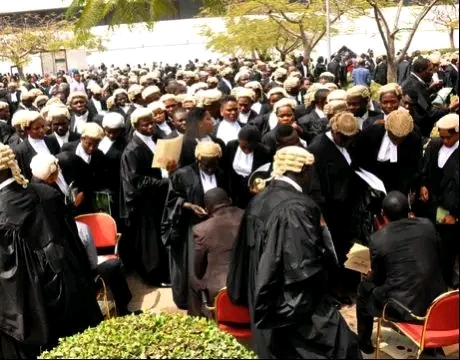
THE COLONIAL WIG QUESTION: Are Nigerian Lawyers Still Serving Two Masters?


By Olabode Opeseitan
Imagine this: It’s 35.3°C in a Lagos courtroom. A young lawyer, fresh from the bar, stands before the judge. Sweat drips from beneath a horsehair wig imported from China. She fans herself with her case file—the same file that contains her client’s hope for justice. The gown? Heavy wool designed for London winters, not tropical Nigeria.
This is not a scene from 1960. This is TODAY.
THE NUMBERS DON’T LIE
Every year, Nigerian lawyers collectively spend an estimated ?5 BILLION on wigs, gowns, and colonial attire. That’s:
• ?1.35 billion from 9,000 new lawyers buying their first wigs (?35,000-?400,000 each)
• ?1 billion in replacements
• ?3 billion in maintenance, cleaning, and repairs
• Millions more in import duties and forex losses
Where does this money go?
– China (for horsehair)
– UK (for “authentic” colonial products)
– Everywhere except Nigerian pockets
Yet, those inadvertently contributing to the Naira’s struggle to regain its respectful value are the first to lament its decline.
Meanwhile, our textile industry—once Africa’s largest with 180 mills—now has just 25 mills running at 40% capacity. We have the cotton. We have the artisans. We have 25,000 textile workers hungry for opportunity.
But we choose to dress like 17th-century British aristocrats in 21st-century African heat.
EVEN BRITAIN HAS MOVED ON
Here’s the irony that should shake us: In 2007, Britain—the ORIGIN of these wigs—abolished them for civil and family courts. British lawyers appearing before their Supreme Court? No wigs required.
Yet in 2025, we Nigerians insist on wearing what the British themselves have largely abandoned.
Ghana hasn’t banned wigs (those viral posts were AI-generated lies). But Jamaica did in 2013, replacing them with robes bearing their national colors. Malawi suspended them due to heat. Canada dropped them. India reduced usage. The Bahamas kept them only for senior courts.
The colonizers have evolved. Why are the formerly colonized still stuck in 1685?
THE MORAL QUESTION: Comfort or Colonialism?
May I ask this uncomfortable question?
When a lawyer stands in a Nigerian courtroom, drenched in sweat, wearing a wig made from Mongolian horse hair, speaking impeccable Queens English structured by the colonizers, applying laws written in Westminster…
Is this justice? Or is this theatre of the absurd?
Our elders say: “The child who says their mother will not sleep will also not sleep.” We refuse to let go of colonial symbols, yet we wonder why our institutions feel foreign to ordinary Nigerians.
That market woman in Aba who needs legal help? She’s already intimidated by the courtroom. Now add the ghostly white wig, the archaic gown, the incomprehensible formality. Justice feels like a foreign import—because, literally, it is.
THE NIGERIAN ALTERNATIVE: What If We Chose Us?
What if, instead of horsehair from Asia:
– We used Aso Oke from Ogun State?
– We used Adire from Ekiti?
– We used Akwete from Abia?
What if our judges wore robes that breathed in our climate? What if the collarette was designed by Nigerian artisans, not Victorian England? What if the ?5 billion stayed home and created 25,000 jobs?
Imagine:
• A thriving legal attire industry exporting to 54 African countries
• Young textile workers in Kano, Lagos, Kaduna with dignified employment
• Courts that look and feel Nigerian
• Justice that doesn’t require a costume borrowed from our archaic colonial past
THE REDEMPTION ROADMAP
This isn’t about disrespecting tradition. It’s about asking: WHOSE tradition?
The path forward:
1. NBA conducts national referendum
2. Design competition for new attire (?50M prize)
3. 18-month transition period
4. Support 20 local manufacturers with BoI loans
5. Launch on October 1, 2027 (Independence Day) with new Nigerian legal attire
6. Position Nigeria as Africa’s legal attire supplier
THE CHALLENGE TO THE LEARNED COLLEAGUES
To every lawyer reading this:
Your wig was handmade by an artisan in Asia who will never step foot in a Nigerian court. Your gown was designed for a climate that doesn’t exist here. Your attire costs more than many Nigerians earn in six months.
And yet, you defend it as “tradition.”
But tradition is not an excuse for foolishness. Tradition is not synonymous with colonialism. Real tradition would honor OUR ancestors—the ones who dispensed justice under Iroko trees long before Britain arrived with their powdered wigs.
LET’S REFLECT ON THESE:
1. If Britain can abandon wigs, why can’t we?
2. Can justice be truly Nigerian while dressed in British costume?
3. What are we teaching the next generation when we prioritize colonial symbols over economic empowerment and cultural authenticity?
4. Are we lawyers, or are we actors in a very expensive colonial cosplay?
5. When will mental colonization end if not now?
THE VERDICT IS YOURS
This is not just about wigs. It’s about:
– IDENTITY: Who are we really?
– ECONOMICS: Where does our money go?
– DIGNITY: Can justice be decolonized?
– LEGACY: What do we leave the next generation?
The British wore wigs because King Charles II was bald and started a fashion trend in 1660. We wear them because… we can’t imagine not wearing them.
That’s not tradition. That’s trauma.
It’s time for a new Call to Bar. One where young lawyers are called into African excellence, not colonial mimicry. One where the ?5 billion builds Nigerian capacity, not foreign manufacturers. One where our courts look like they belong to us.
SHARE IF YOU AGREE that Nigeria’s legal profession deserves better than hand-me-down colonial attire.
The conversation starts now.
The change begins with us.
The time is TODAY.
#NigerianLawyers #DecolonizeJustice #MadeInNigeria #LegalReform #NigeriaBar #AfricanExcellence #ColonialLegacy #IdentityMatters #EconomicFreedom #TextileRevival #ClimateAppropriate #CulturalAuthenticity #NBA2025 #JusticeForAll #NigerianPride




-

 Society News5 years ago
Jamaican man beheads wife after finding out their 6 kids are not his
-
 Society News7 years ago
EXCLUSIVE: The Complete Story of Dolapo Awosika, John Fashanu and Prophet Kasali Sex Mess
-

 News6 years ago
Pastor Osagie Ize-Iyamu, His Membership Of Secret Cult, And Other Issues Touching On His Public Credentials Examined by Barr. PATRICK I. BIOSE
-

 News6 years ago
BREAKING: Ajimobi’s daughter-in-law blast Gov. Makinde, says gov can’t surpass ex-Oyo gov
-

 Society News6 years ago
The Rise and Fall of “Jumoke The Bread Seller”
-

 News6 years ago
BREAKING: 2 arrested as NAF begins investigations into Tolulope’s death
-

 Crime6 years ago
Exclusive: Female Aide Fingered In Oko Oloyun’s Murder + Banking Transactions That Nailed Husband
-

 News6 years ago
BREAKING: Police take over Edo House of Assembly as APC, Oshiomhole move to seize control


You must be logged in to post a comment Login